Most travellers come back from a holiday trip feeling like they need to recover from their journey. Sluggish, stiff, and maybe even slightly off. It does not have to always be that way. If you are planning a trip to Sumba, or already thinking about the workout routine you’d like to maintain during your travels, this is the practical Sumba travel guide that will help you stay fit and maintain a consistent workout routine when modern gym equipment isn't readily available to use.
Arriving in Sumba from Australia, Europe or the US, or any international route puts real physical stress on the body. The great news is that the moment you touch down to The Sanubari Resort, you are immediately greeted with abundant open air, nature breeze, warm sunlight, and spacious areas to move, reset and relax. This post focuses on maintaining fitness through primarily calisthenic exercises, and why a resort setting in nature is better for your body than it might seem like.
Key Takeaways: Fitness, Calisthenics, and the Sumba Advantage
- A 20–35 minute calisthenics session performed four to five times per week is sufficient to maintain and build strength — no 90-minute gym blocks required.
- Exercising in warm, humid climates increases cardiovascular demand, meaning shorter outdoor sessions in Sumba's tropical air deliver comparable benefits to longer indoor workouts.
- Training barefoot on natural surfaces (grass, sand, and earth) strengthens stabiliser muscles and improves proprioception in ways that gym floors simply cannot replicate.
- Morning sunlight exposure during outdoor exercise is one of the most evidence-backed methods for resetting circadian rhythm after long-haul travel, directly relevant for guests arriving from Australia, Europe, and the US.
- The low-level movement built into island life; beach walks, open-water swimming, paddling and exploring terrain all adds meaningful output through what exercise researchers call NEAT, Non-Exercise Activity Thermogenesis.
Why Travel Usually Breaks Fitness Routines, And Why Sumba Is Different
The problem is rarely motivation. It is the environment. Most hotel gyms are an afterthought. A treadmill, a mirror, recycled air, and nothing about them makes you want to show up. Research confirms what most travellers already sense: when exercise stops for two to three weeks, muscle tone and cardiovascular endurance both take a measurable hit. You leave fit and come back needing to rebuild.
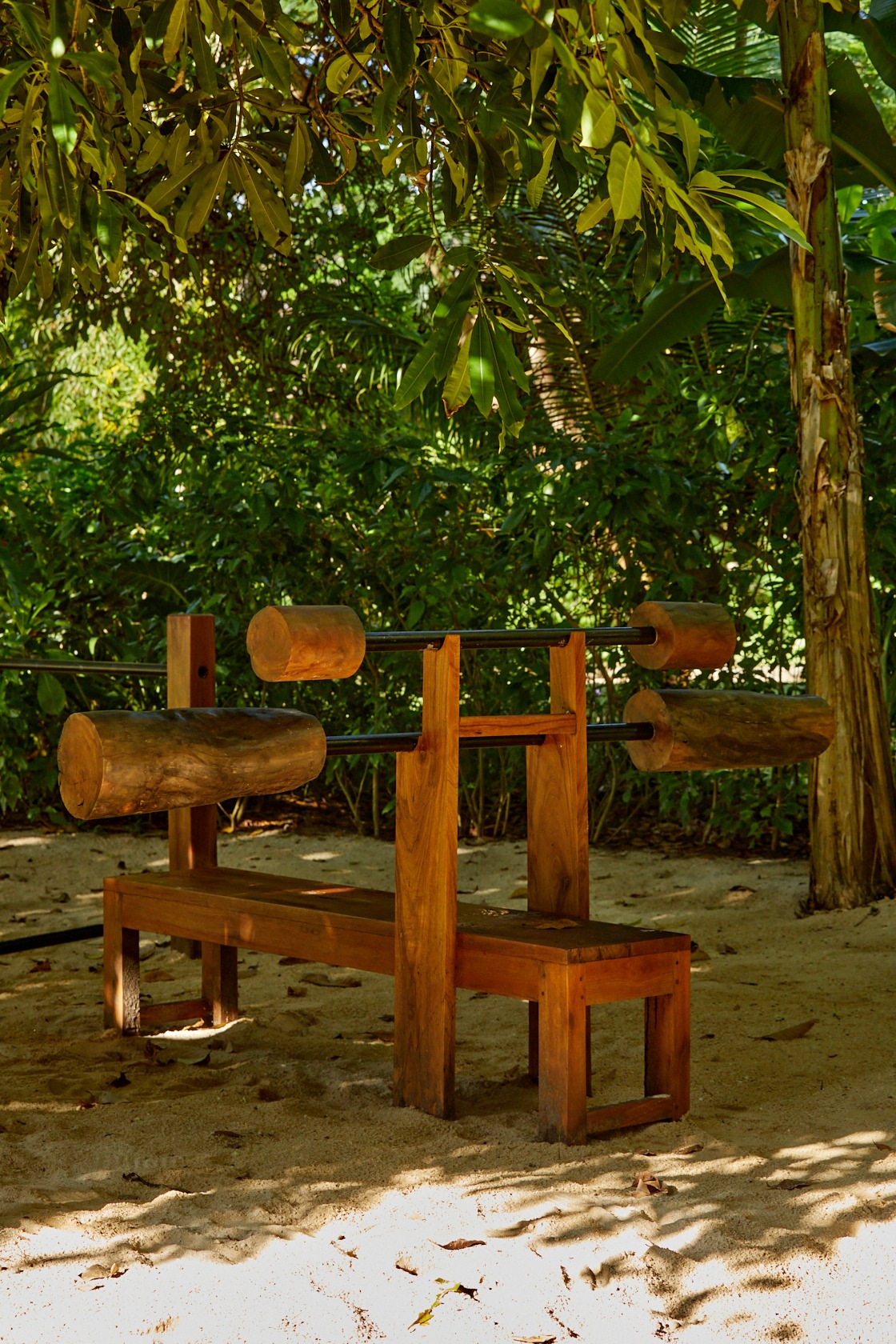
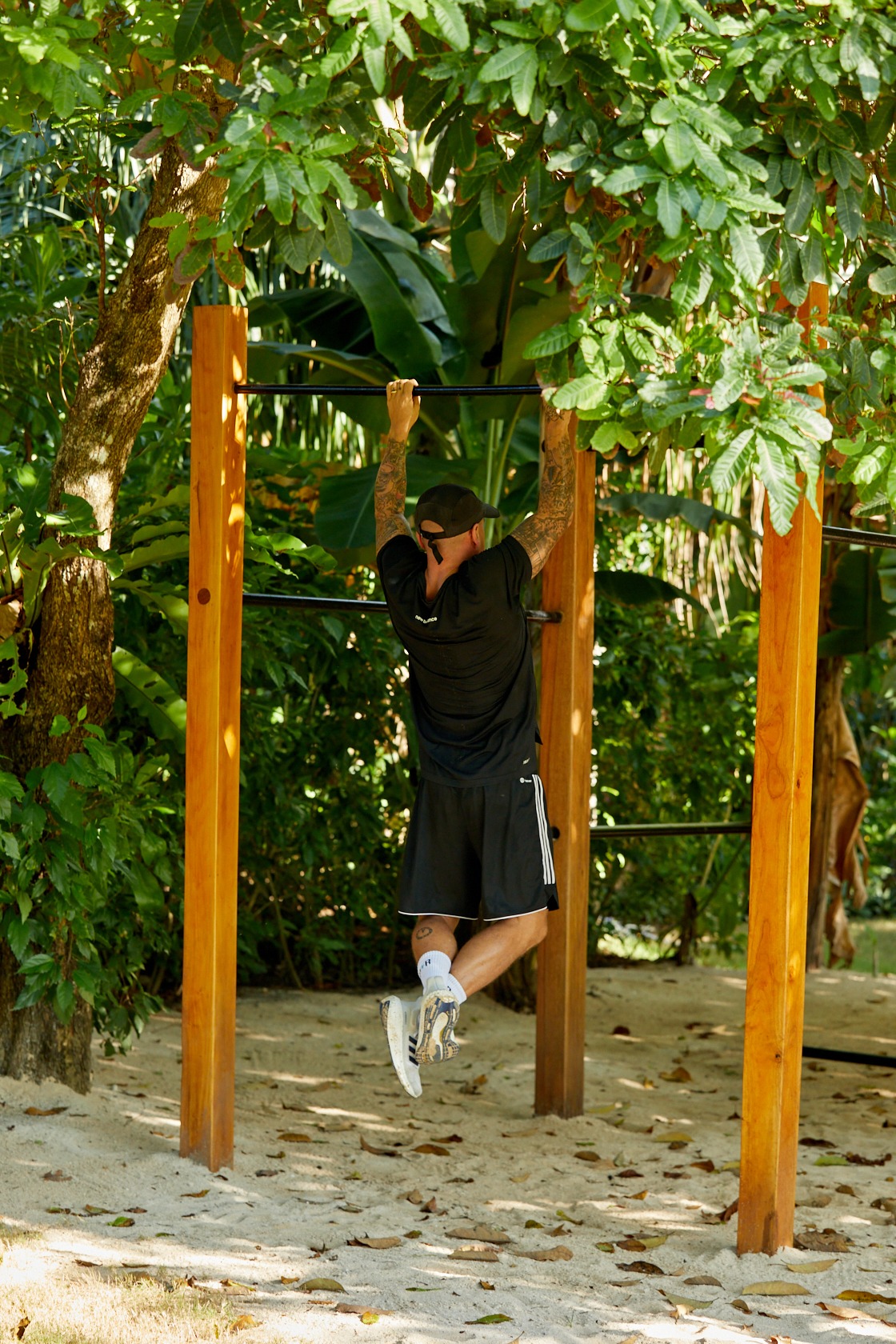
What shifts things here is that movement feels like part of the day rather than a separate obligation. At The Sanubari Resort, the open-air gym sits within the same space where you have breakfast and watch the sunrise. Facilities such as pull-up bars, dip stations, dumbbells, calisthenics poles, are stationed outdoor. No commute, no queue, no fluorescent lighting provided, only the goodness nature and open air. For anyone using this as their Sumba travel guide to plan an active stay, that distinction matters more than it first looks.
Calisthenics Is the Right Tool for This Environment
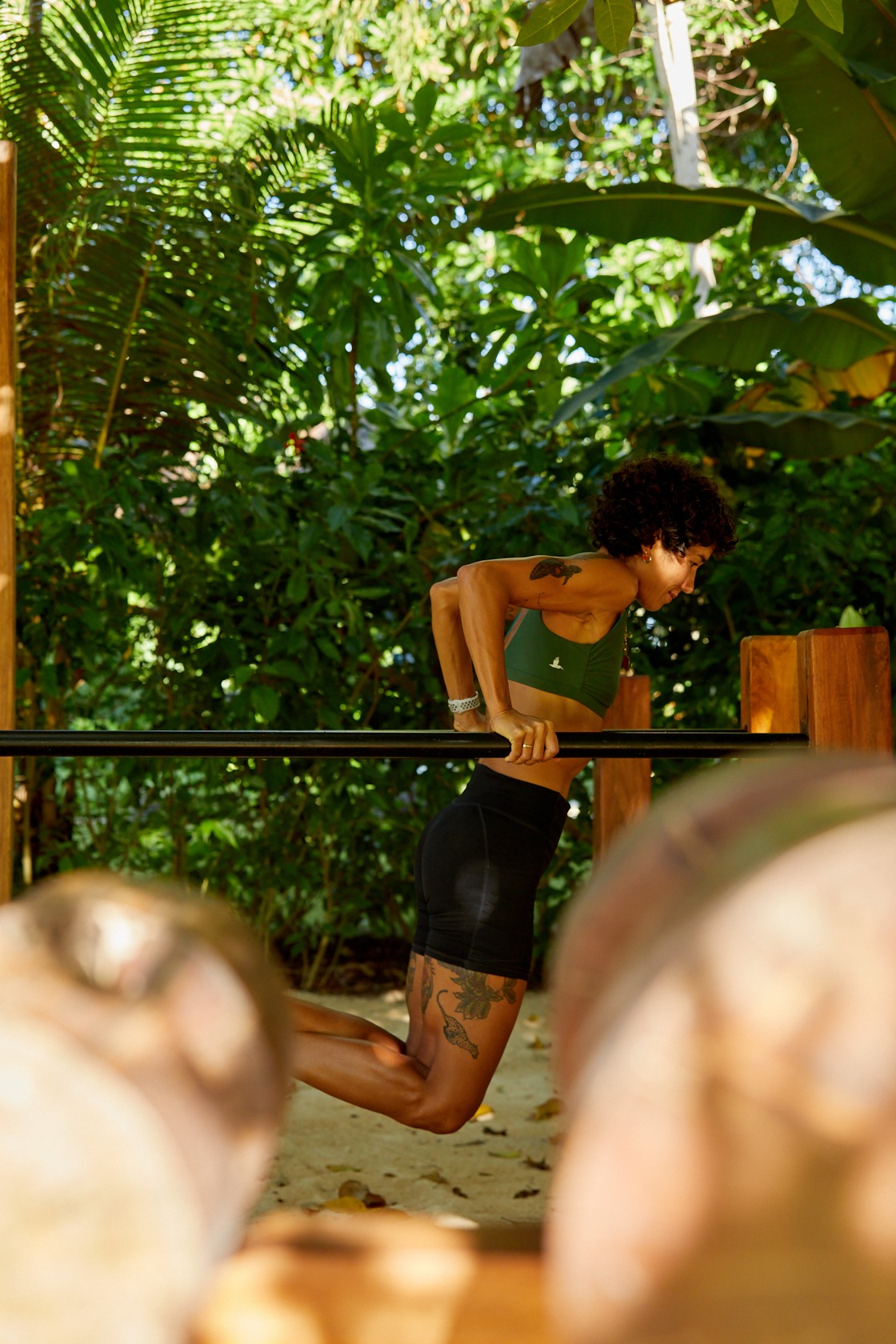
Bodyweight training such as pull-ups, dips, push-ups, leg raises and their progressions travels well because they require very minimal equipments to work with. It scales to any level, covers strength, endurance and mobility in the same session, and the movements transfer directly to what island life actually demands: paddling, climbing, walking uneven ground. For guests who train seriously at home, it is enough facility to maintain progress. For those who are newer to structured movement, it is an entry point that does not require knowing how a cable machine works.
The tropical environment also makes sessions more efficient. Warm, humid air increases cardiovascular demand at lower intensities, so a 25-minute outdoor session here produces a comparable physiological response to a longer one in a cooled gym. That is not a rationalisation for doing less, it is a reason why guests who want to spend the rest of their morning on the beach or exploring what Sumba has to offer can do exactly that without shortchanging their training.
The Barefoot Advantage and the Outdoor Training Environment
Gym shoes on rubber flooring suppress the small stabiliser muscles in the feet and ankles — the ones that actually manage balance on uneven ground. Training barefoot on grass, sand, or packed earth reactivates them, and research on proprioception shows the adaptation happens quickly, within days of consistent barefoot movement on varied surfaces.
At The Sanubari, this is the default setting of nature-based fitness you are encouraged to utilize. Step outside and the ground does the rest; clean natural surfaces, varied terrain, no reason to wear shoes unless you want to.
What Island Living Does to Your Cortisol and Why That Matters for Fitness
Cortisol, the stress hormone, is the single biggest obstacle to fitness outcomes that most people never address. It suppresses muscle recovery, disrupts sleep, and works against fat metabolism regardless of how well you train. Time in natural environments, particularly near water and away from urban noise, consistently produces measurable drops in cortisol across multiple studies. A week in West Sumba is not just rest, it is the physiological precondition for training to actually work.
Morning outdoor exercise compounds this. Natural sunlight in the first hours of the day is among the most evidence-backed tools for resetting the circadian rhythm after long-haul travel; more reliable than supplements, and considerably more enjoyable. For guests arriving from Australia, Europe, or the US, a 25-minute session outside before 9am tends to resolve jet lag faster than any other single intervention. The Sanubari Resort's outdoor setup makes this the path of least resistance rather than a strictly disciplined effort.
A Practical Guide: Calisthenics Training at a Tropical Resort
Training Hydration in a Tropical Climate
One practical note that gets overlooked: sweat rate in a warm, humid climate is significantly higher than most travellers account for. Training in Sumba's morning heat without adjusting fluid and electrolyte intake leads to fatigue that looks like low fitness but is actually straightforward dehydration.
Electrolyte-rich fluids such as coconut water being the most accessible and locally available option here can help maintain performance and support faster recovery between sessions. Guests at The Sanubari who train first thing in the morning benefit from a deliberate pre-session approach to fluids rather than treating water as an afterthought. Everything you need for optimized recovery is available on property.
The Post-Retreat Effect: What the Research Says About Healthy Holidays
Studies on "healthy holidays", of trips that mix genuine rest with light physical activity, consistently show the same result: travellers who keep moving come home with better mood, stronger metabolic markers, and more motivation to continue healthy habits than those who go fully sedentary. The mechanism is straightforward. Movement that feels easy and enjoyable gets done more often, and when it happens in a natural environment the benefits stack faster than they do in a gym. That is the thinking behind how we approach resort experiences and activities at The Sanubari, not just a good week away, but a return home that actually feels like a true reset.
What Guests Actually Say: Experiences at The Sanubari Resort

The clearest evidence for what a stay here produces is not what we say about it, it is what guests describe after they leave.
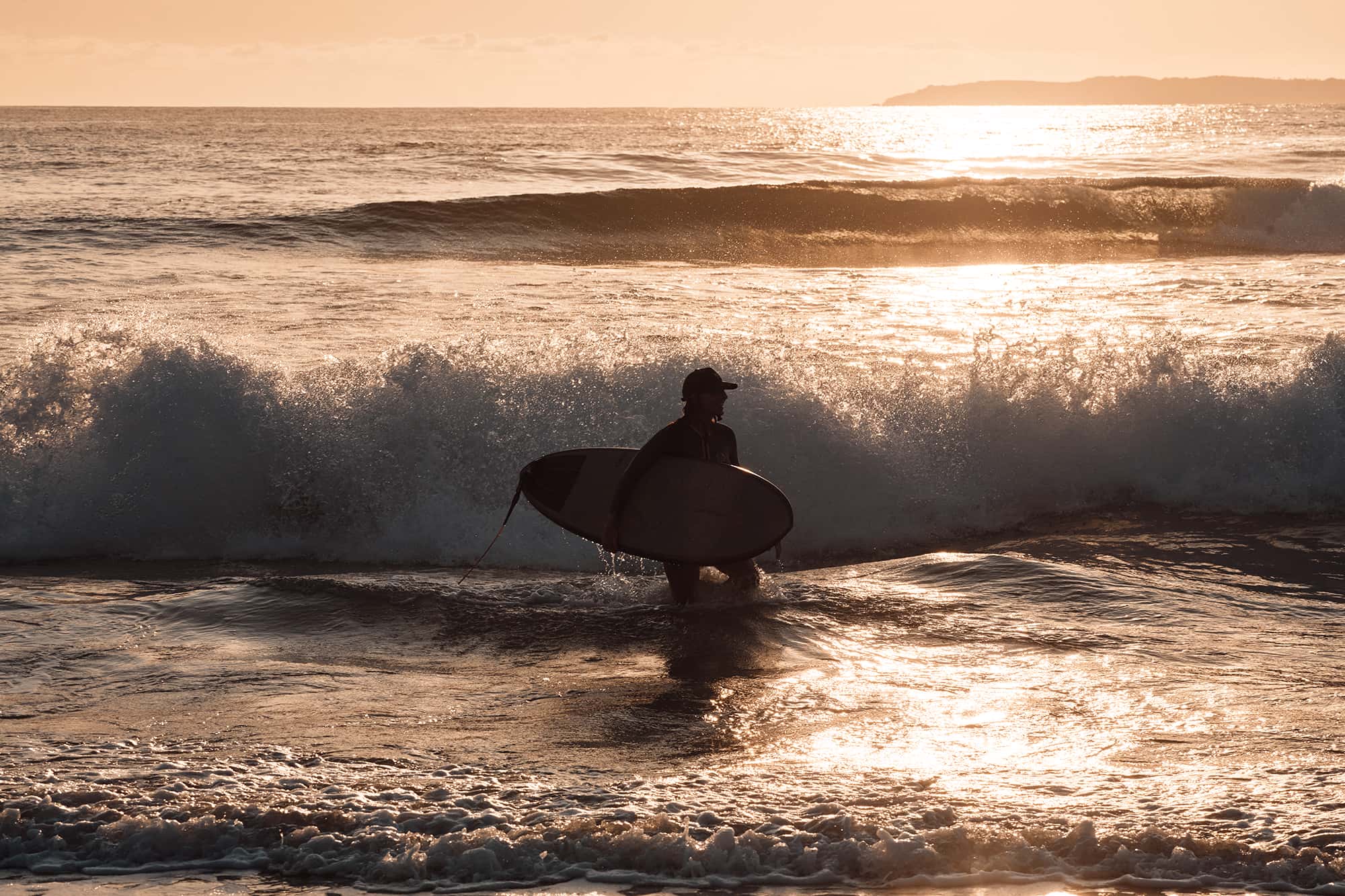
What both share is the same pattern: guests who arrive for rest end up engaging with the environment physically: surfing, coastal walks, beach activities, and leave feeling the difference. That combination of passive recovery and active movement is exactly what the setting at The Sanubari Resort is designed to support.
Before You Plan: What Guests Usually Ask Us About Fitness and Activities
Do I need to bring any fitness equipment?
You don’t have to. The open-air gym at The Sanubari covers everything; pull-up and dip bars, calisthenics poles, a dumbbell station, enough for a serious bodyweight and weighted programme without packing a single piece of gear. If you train to a specific protocol, message us before you arrive and we will inform you exactly what is available.
What is the best time to train outdoors in Sumba?
Mornings, between 7:00 and 8:30am, are a solid choice. It is cooler, humidity is lower, and morning sunlight at this hour is the single most effective tool for resetting the body clock after a long-haul flight — something a lot of our guests arriving from Australia and Europe notice within the first two days. Late afternoon from 4:30pm is the window that works best. Midday is not worth it.
Is there enough movement beyond the gym to stay active?
More than most guests anticipate. Beach walks, open-water swimming, paddling, and simply moving through West Sumba's terrain all contribute to what exercise researchers classify as NEAT (Non-Exercise Activity Thermogenesis) and on an active island stay it accumulates faster than it does in any normal urban week. The structured gym at The Sanubari Resort complements that baseline rather than being the whole picture.
Plan Your Active Sumba Stay; The Environment Does Half the Work

A holiday that leaves you better than it found you is not an accident. It is a product of environment, access, and the space to move at your own pace without obligation.
The open air, the natural surfaces, the morning light, the quiet, these are not just aesthetic features of staying at The Sanubari Resort. They are the conditions under which the body actually recovers, adapts, and resets. Add a consistent 25 minutes of calisthenics four times a week, stay ahead of hydration, train barefoot when the ground invites it, and you will not just maintain your fitness on a Sumba Island trip. You will likely come back ahead.
Use this as your Sumba travel guide for planning an active, intentional stay. Check availability for your dates and explore island activities beyond the resort grounds. The kind of movement Sumba supports starts the moment you arrive.
Book Your Gateway Now!
RESERVE NOW
Author
Angela
Angela is a multidisciplinary Creative, Branding & Marketing Strategist with 8 years of experience in Marketing and 5 years in Branding.
She has worked with international startups, agencies and social enterprises from Southeast Asia, Australia and Europe, and her past clients came from a range of industries, most primarily lifestyle, hospitality and technology. Her passion lies in creativity, social impact and business development. Currently, she oversees the Marketing department of The Sanubari Resort Sumba, driving its digital channels and nurturing communications with loyal and new guests.