A Sumba Travel Guide for Conscious, Alcohol-Light Escapes
This guide is for those whose joy, rest and connection look different and are being redefined. If you feel called to open journeys, rest and wellness that create space for clarity rather than overstimulation and excessive drinking, chances are you're identifying with dry tourism.
In 2026, this trend has become increasingly significant. With the evolution of wellness tourism, many travellers are moving away from spa-heavy, nightlife destinations. Guests are yearning for spaces that their surroundings foster clear, conscious, and purposeful living. In this Sumba Travel Guide, we demonstrate the influence of dry tourism on travel patterns and the significance of Sumba for this shift.
Key Takeaways: Why Dry Tourism Fits Slow Travel in Sumba
- Alcohol-free travel enhances presence: The absence of alcohol leads to deeper rest, clearer mornings, and more purposeful engagement.
- The destination becomes more important than the amenities: purposefully remote and distraction-free destinations are more conducive to dry tourism than urban and nightlife destinations.
- Spa treatments are not the full wellness story: True wellness is the result of good quality sleep, emotional presence, and meaningful rhythms.
- Dry tourism supports cultural respect: Clear-minded travel allows for deeper, more respectful engagement with local traditions.
- The outcome is sustainable joy, not temporary escape: Guests return home reset, not depleted; carrying new habits rather than recovery fatigue.
Context & Relevance: Why Dry Tourism Has Gone Popular Now
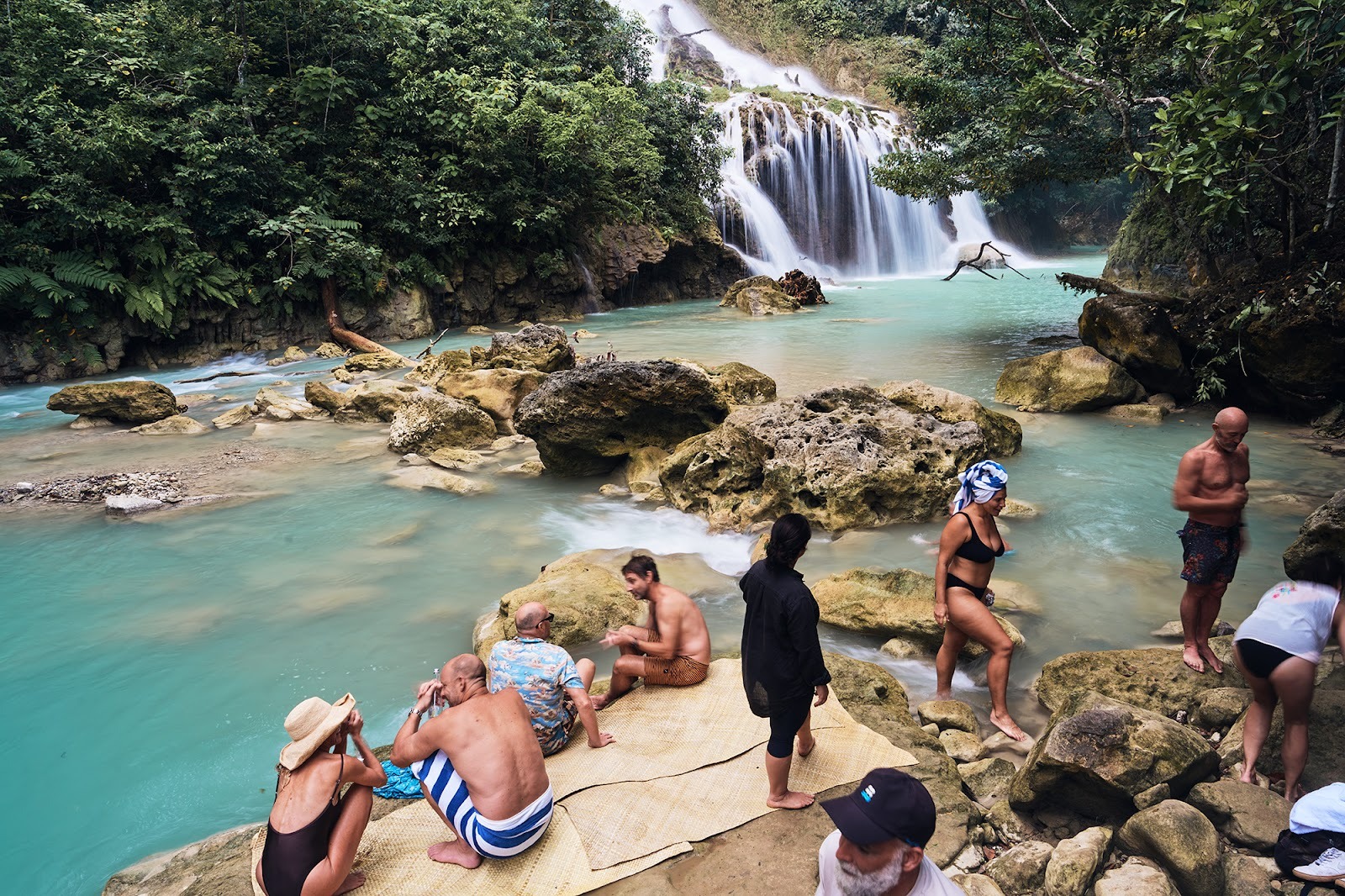
Over the past few years, we have observed a clear shift in guest behavior. The “sober-curious” phase has evolved into something more intentional. Travelers are no longer experimenting; they are choosing alcohol-light or alcohol-free trips as a default.
This change reflects broader lifestyle priorities. Many guests want their travel habits to align with their lifestyle preferences: intentional, health-aware, and purpose-driven. At the same time, decision-making has become more complex. Travelers are comparing not just destinations, but also environments, energy, and long-term impact on wellbeing.
In this context, dry tourism becomes a decision filter.
Dry Tourism as a Natural Extension of Slow Travel
Tourism without alcohol works best when it is not enforced. The best-alcohol-light journeys under natural influences work best where cities do not attract a huge nightlife presence.
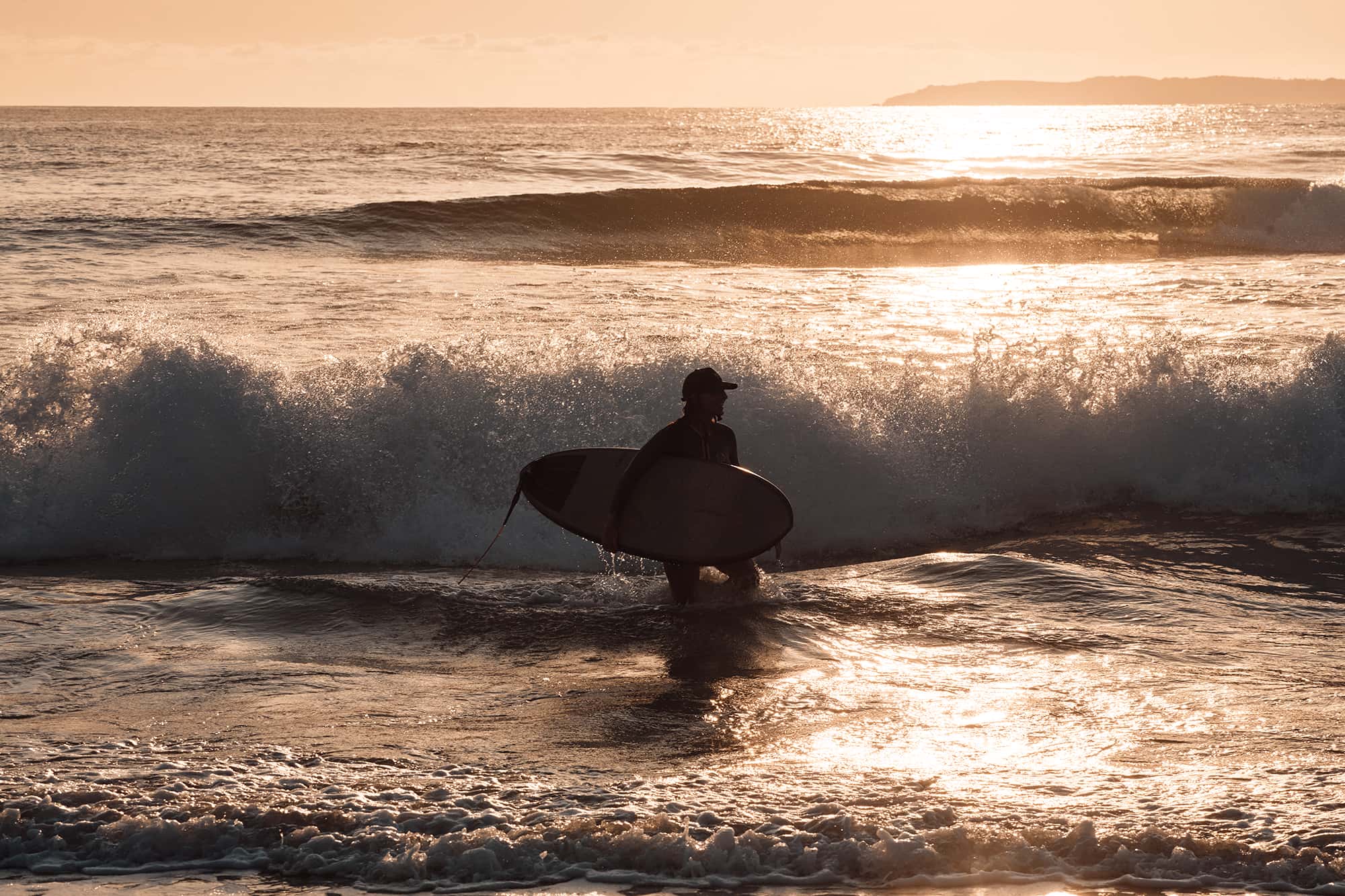
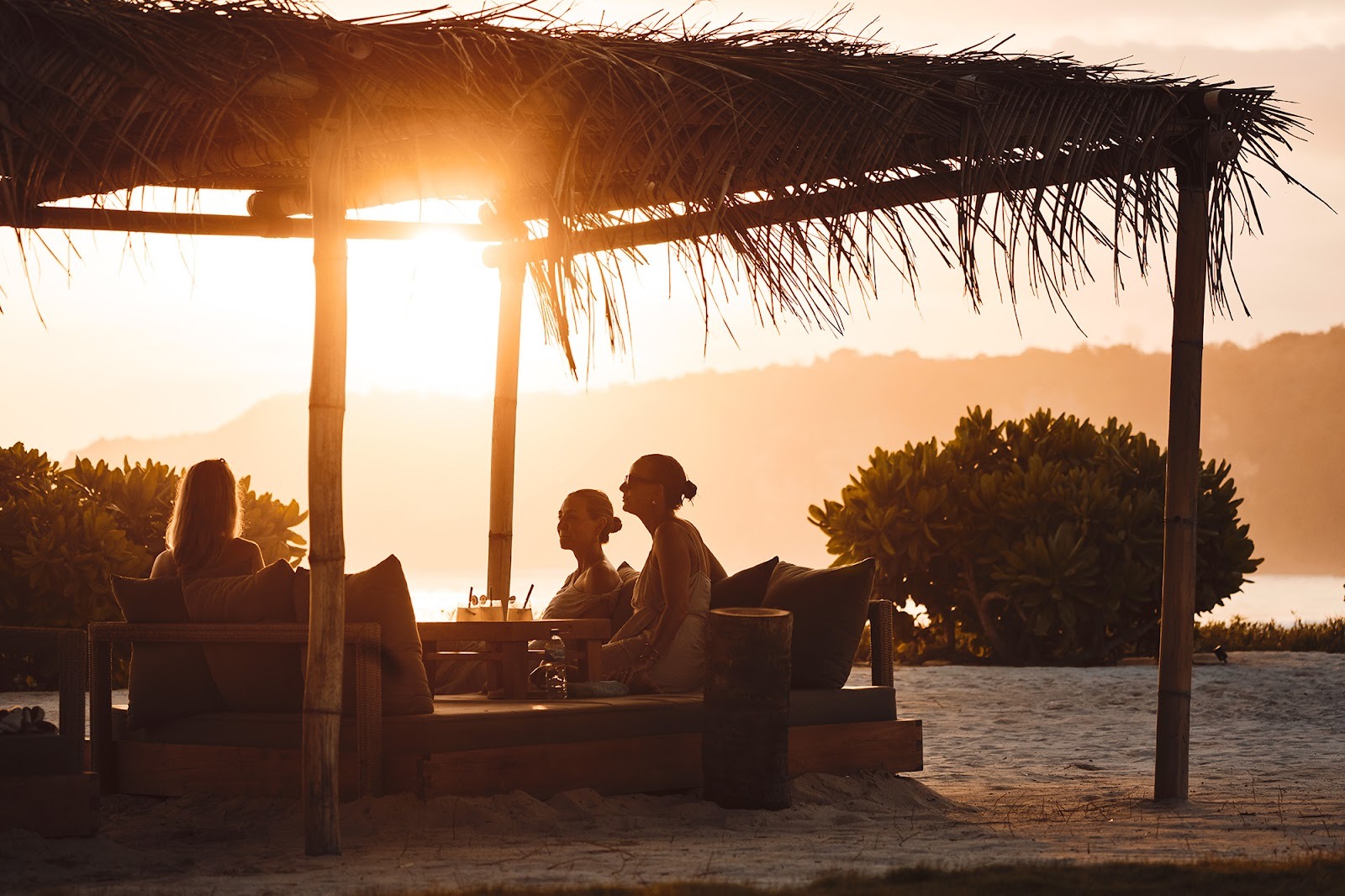
Instead, nature must define the pace. In this way, Sumba is unique. The absence of urban noise, bar cultures, and constant distractions allow guests to automatically slow down and harmonize with the environment. Days are structured around the sun, surroundings, and mobility. In the evenings, guests engage in organic conversations, watch the sun go down, and reflect even in silence, all with no need for external stimulation in the form of entertainment.
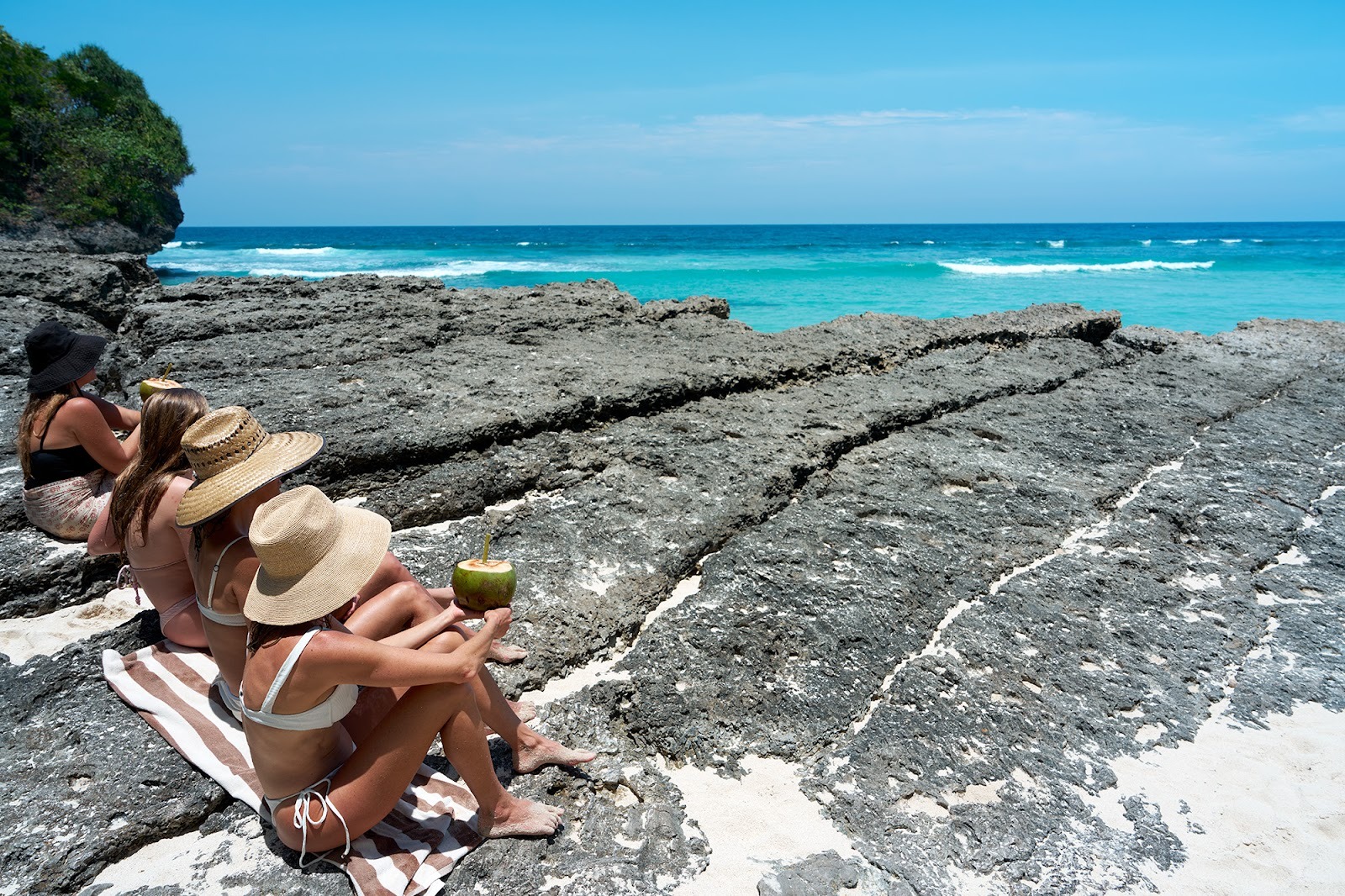
Thoughtful Days and Rested Mornings
Traveling with no alcohol or minimal consumption is a habit that has huge positive impact in how the mornings become structured. It means waking up without a heavy burden to recover from and instead, waking up with a light heart and a clear mind.
Cultural Immersion Requires Full Presence
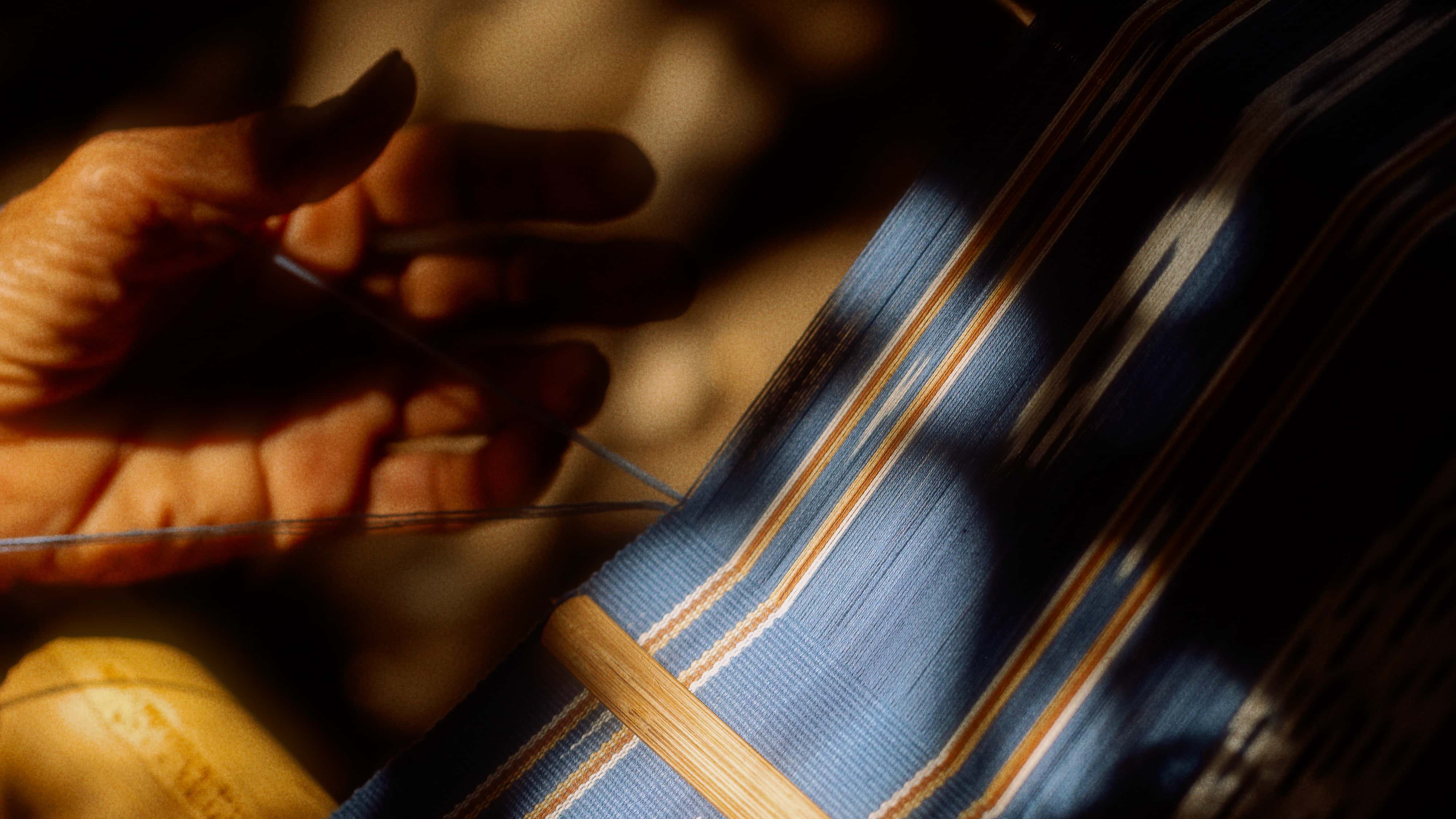
Engaging with the uniqueness of Sumbanese culture, whether witnessing ceremonies, learning about ancestral beliefs, or observing traditional Ikat weaving, demands attention and focus in order to receive deeper appreciation and understanding.
These cultural activities are not experiences to be quickly consumed, instead they require intentional listening, respect, and presence. Traveling with a clear mind allows guests to meet local culture on its own terms, rather than through the lens of distraction or fatigue.
In our experience, dry tourism supports more meaningful cultural exchange, not just mere observation.
Digital Detox Works Better Without Alcohol
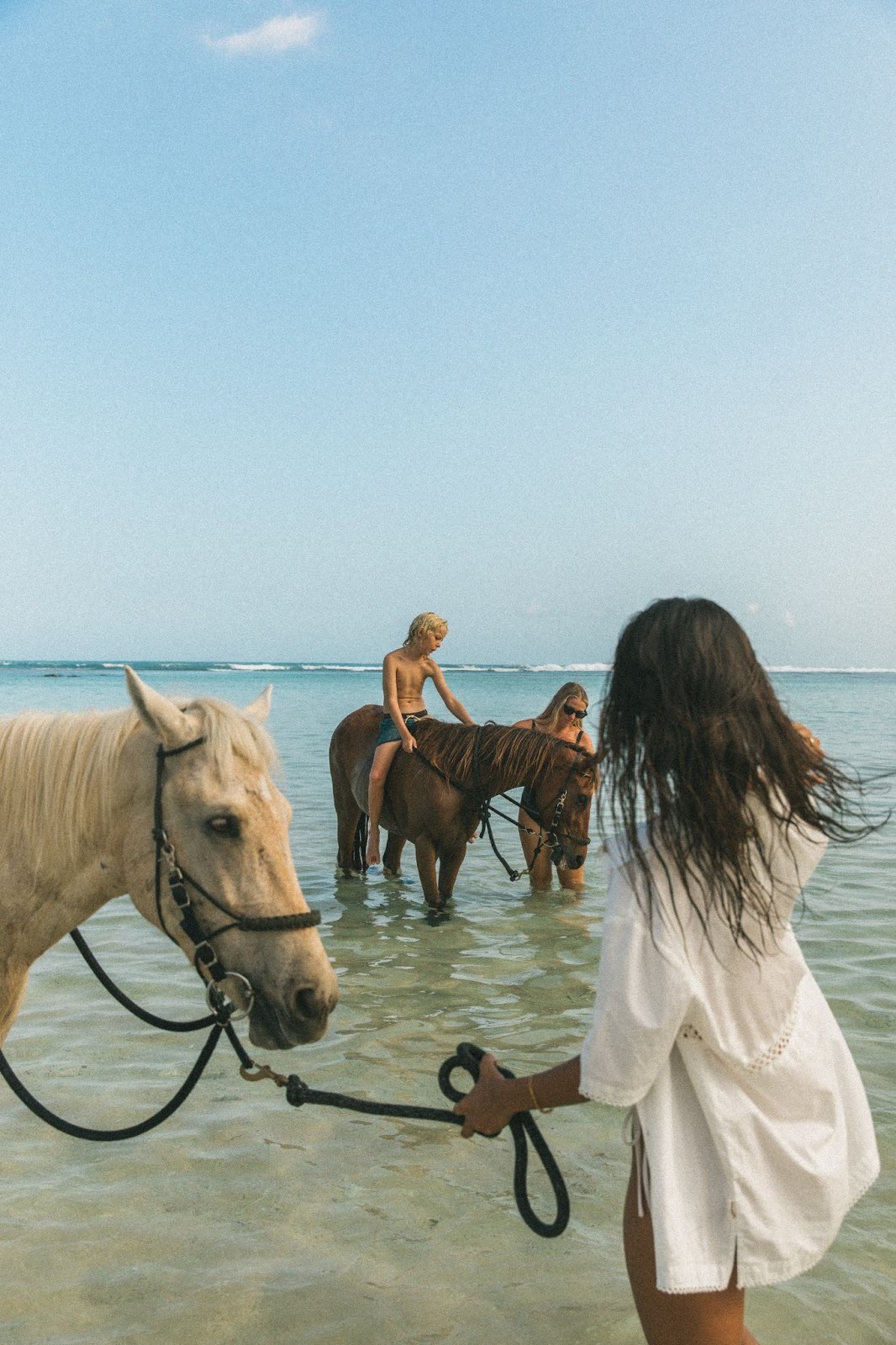
Sumba’s remoteness already encourages disconnection from constant notifications and digital noise. When combined with an alcohol-light approach, guests often experience something rare: genuine boredom.
And genuine boredom does not mean a negative state. Instead, it becomes a gateway to newcreativity, deeper conversations, journaling, reading, or simply sitting with one’s thoughts. Many guests tell us this is when they feel most reset—not entertained, but restored.
Nourishing Cuisine Over Sedation
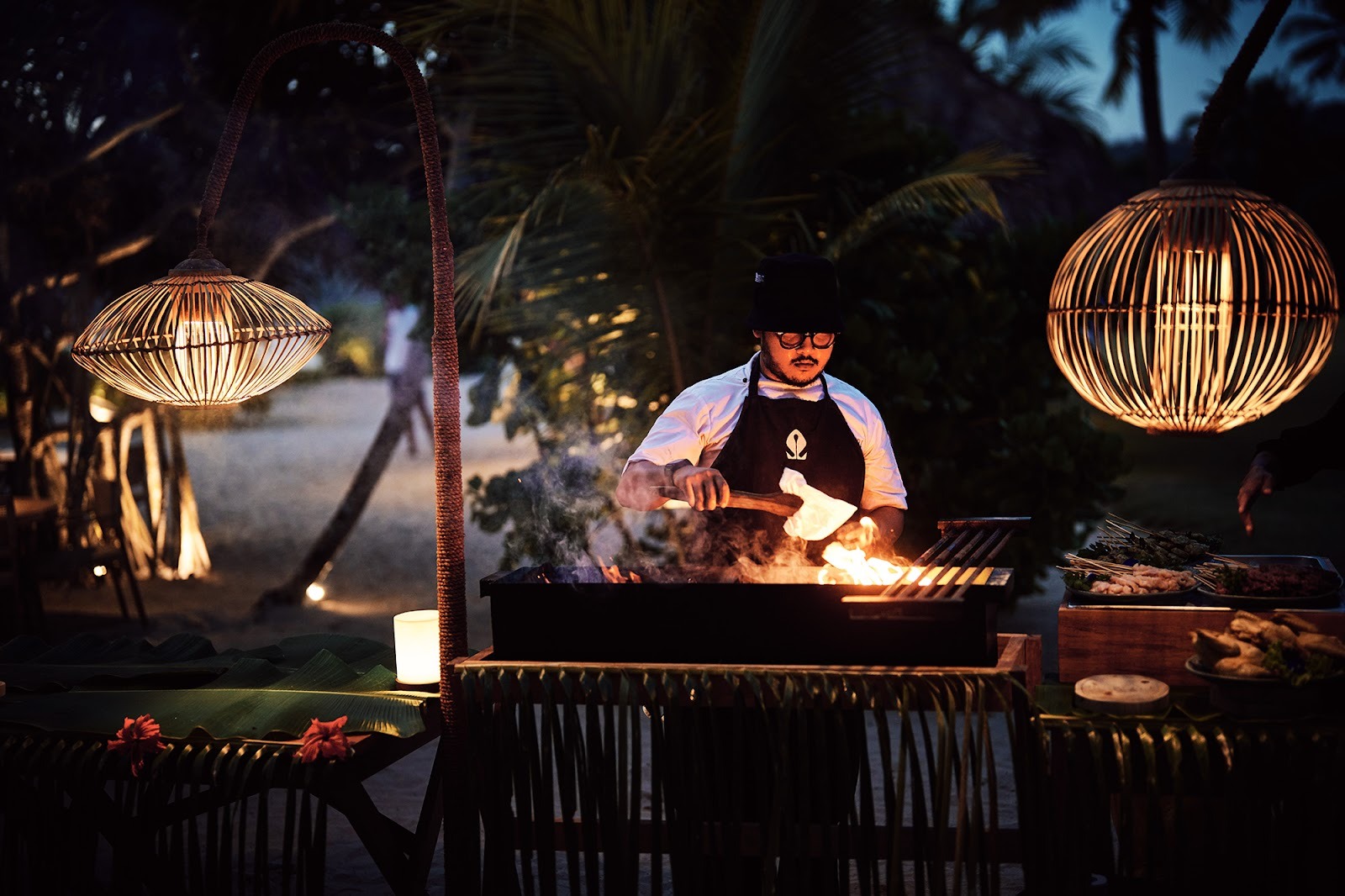
Dry tourism shifts how people relate to food as well. Instead of meals designed to complement alcohol, the focus turns to nourishment and even appreciation.
Our culinary approach emphasizes fresh, locally-sourced ingredients prepared to energize and nourish rather than sedate. Creative housemade mocktails are also provided utilizing tropical fruits and traditional herbs to allow guests to enjoy ritual and flavor without compromising clarity. Dining becomes part of wellbeing, not an indulgence to recover from.
What Dry Tourism Looks Like in Practice Here
To make this more tangible, here is how dry tourism typically unfolds for guests staying with us:
For more destination context, our blog page explores West Sumba attractions, natural sites reachable from our location, and practical travel tips for planning a thoughtful journey to the island. Many guests read these guides before arriving to shape a more intentional itinerary.
Our Perspective Of Hosting Intentional Travelers
In similar cases, guests usually arrive unsure whether an alcohol-light trip will feel limiting. Within days, that concern fades.
What replaces it is a sense of ease. Without the social pressure to drink, connections feel more genuine. Conversations last longer. Silence feels comfortable. Solo travelers report feeling grounded rather than isolated. It's the result of environment, pace, and intention all coming to alignment naturally—something we see repeatedly at The Sanubari Resort.
Questions We Often Hear From Thoughtful Travelers
Is dry tourism suitable if I am not fully alcohol-free?
Of course. Many guests opt to minimize alcohol consumption rather than cutting it out completely. The setting naturally encourages moderation without strict guidelines.
Is that kind of travel too quiet or constraining?
Not at all. With plenty of island activities and nature explorations to do, the void left by the absence of nightlife and bars is more than fulfilled.
Is this suitable for singles, couples, or small groups?
Absolutely. Couples may experience a deeper connection, solo travelers willfeel a sense of reset, and even small groups will develop a deeper bond when the focus on social drinking activities is removed.
Is Dry Tourism the Suitable Way to Experience Sumba?
If your travel preferences align with a clear mind, present focus and creating memories that last beyond the immediate return home, then dry tourism should definitely be considered. Sumba’s environment makes this way of traveling easy and natural.
In this Sumba Travel Guide, we invite you to discover what purposeful travel can mean for you by taking a step of drinking less and choosing spaces that help you become the mindful traveller you desire to be while exploring a new island.
Book Your Gateway Now!
RESERVE NOW
Author
Angela
Angela is a multidisciplinary Creative, Branding & Marketing Strategist with 8 years of experience in Marketing and 5 years in Branding.
She has worked with international startups, agencies and social enterprises from Southeast Asia, Australia and Europe, and her past clients came from a range of industries, most primarily lifestyle, hospitality and technology. Her passion lies in creativity, social impact and business development. Currently, she oversees the Marketing department of The Sanubari Resort Sumba, driving its digital channels and nurturing communications with loyal and new guests.