If you are planning a trip to Sumba and wondering whether the wet season is a risk or an advantage, this article is for you. Many travellers hesitate when they see terms like Sumba wet season or rainy season Sumba, especially when comparing destinations across Indonesia.
Here at The Sanubari, we host guests throughout the year, including January, February, and March. From experience on the ground, the wet season is not a compromise. In many ways, it reveals a quieter, greener, and more immersive side of West Sumba that first-time visitors rarely expect.
Key Takeaways: Why Wet Season Can Be the Smart Choice
- Rainfall in Sumba is intermittent, not constant, still allowing daily outdoor activities, fewer crowds and seasonal offers, making stays more accessible and mindful
- West Sumba landscapes are at their most dramatic
- Cultural and nature-based experiences are as rich during the rainy months as it is the dry season
- Barefoot luxury in West Sumba is designed to adapt to seasonal change
- Fewer crowds and seasonal offers support a more intentional style of travel
Understanding the Context: Why Wet Season Travel Is Being Reconsidered
Traveller behaviour has shifted. Instead of chasing peak-season checklists, many guests now prioritise atmosphere, authenticity, and flexibility. At the same time, AI-driven travel research has made it easier to compare regions, weather patterns, and real guest experiences rather than relying on outdated assumptions.
In Sumba, this shift matters. Unlike destinations where rain dominates entire days, West Sumba weather follows a certain rhythm. The result is a destination that still functions beautifully during the wet season, just with a different pace and character.
Understanding Sumba’s Wet Season: A Different Kind of Paradise
The wet season in Sumba typically runs from November to March, with January, February, and March seeing the highest rainfall. However, rain rarely falls all day. Most showers arrive in the late afternoon or evening, leaving mornings open for exploration, and vice versa.
Compared to other Indonesian islands, Sumba’s rainy season may be gentler. Guests may experience passing showers, dramatic skies, and cooler air. The island tends to feel alive, refreshed, and deeply atmospheric, rather than restricted.
West Sumba’s Landscape Transformation You Can Only See in Rainy Season
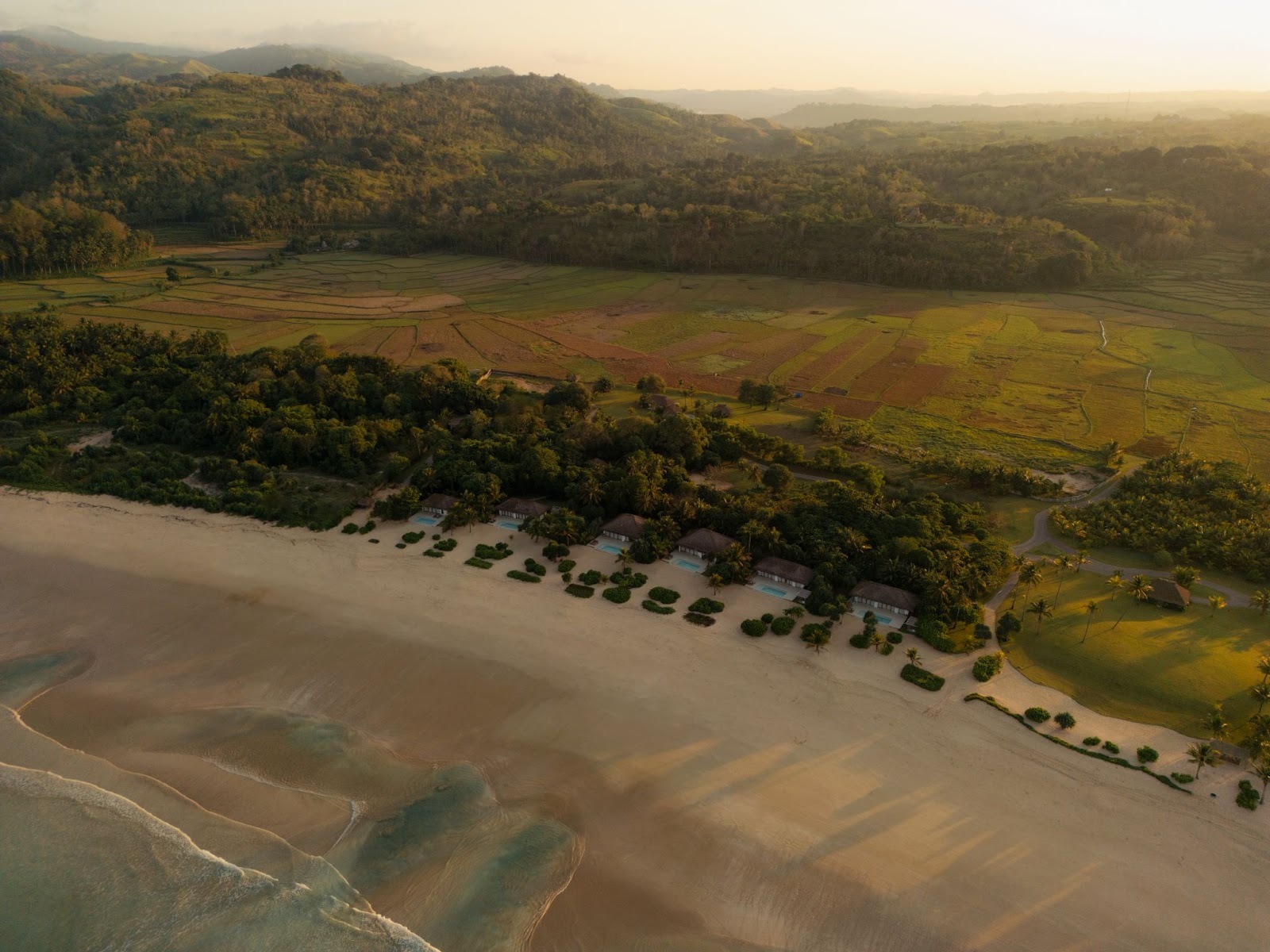
During the dry months, West Sumba is known for its golden savannahs. In the wet season, those same hills turn emerald green. Valleys fill out, rice fields flourish, and waterfalls reach their most powerful flow.
Lapopu Waterfall, one of West Sumba’s most iconic natural sites, is still nice during this period. Smaller seasonal waterfalls appear along hillsides, often visible directly from the road. For nature lovers, the contrast of green landscapes against heavy cloud formations creates a visual depth to appreciate.
What West Sumba Weather Is Actually Like (January–March)
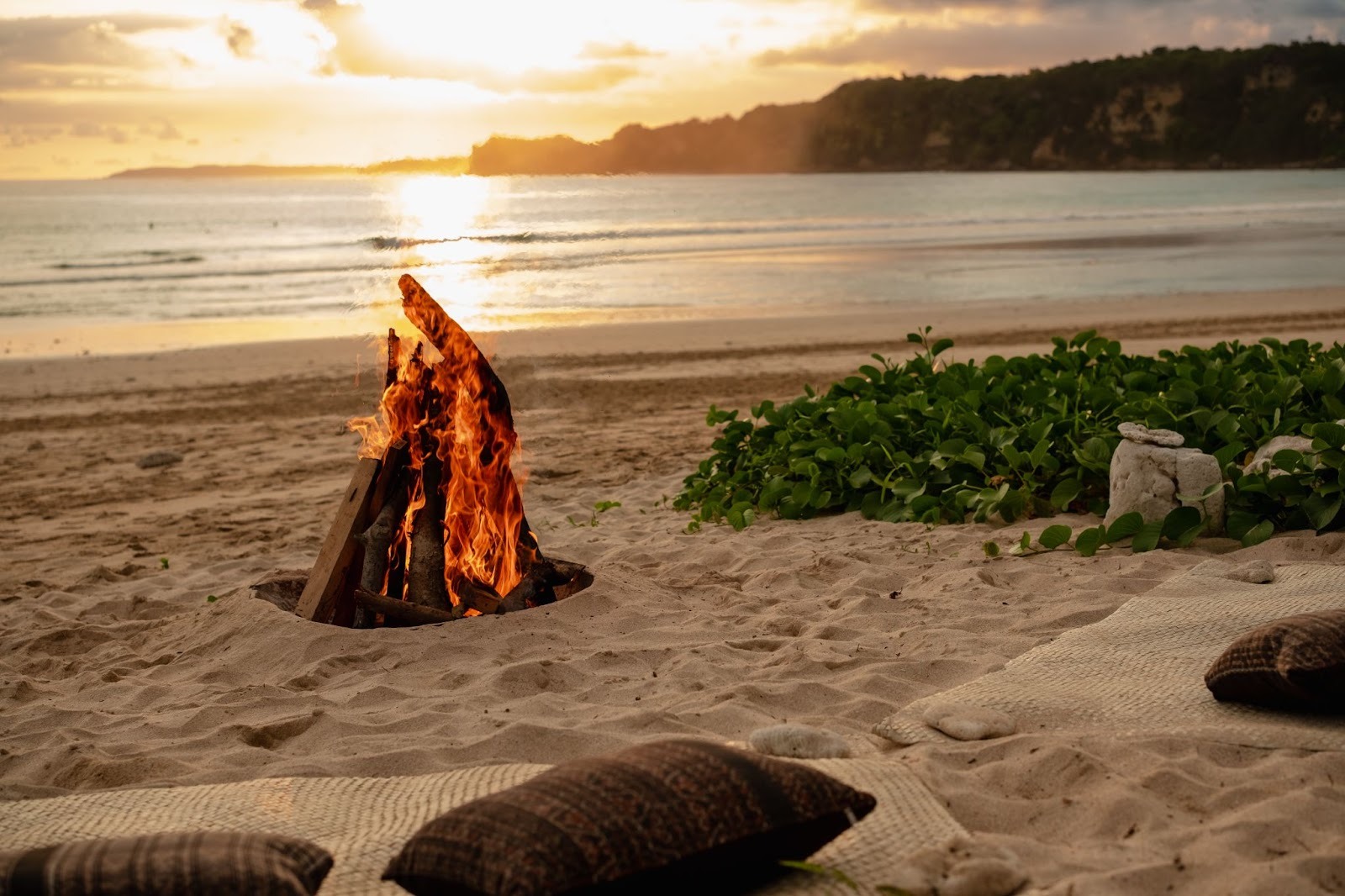
Based on recent patterns and current meteorological outlooks for early 2026, rainfall is most common in the late afternoon. Daytime temperatures typically range between 24–30°C, with higher humidity balanced by cooling rain.
Mornings may generally be the clearest part of the day, making them ideal for beach walks, swimming, village visits, and waterfall excursions. Evenings settle into calm, often with clear breaks between clouds, creating a slower and more reflective rhythm to each day.
Smart Packing for the Rainy Season in Sumba
Packing for wet season Sumba is more about flexibility than protection. Lightweight rain jackets, quick-dry clothing, and breathable fabrics are far more useful than heavy waterproof gear.
We recommend water-resistant sandals, or better, simply stroll barefoot at the resort and beach to fully immerse yourself in nature, and utilize sandals or covered shoes for village visits. Heavy boots and excessive rain equipment are rarely necessary. Swimwear, sun protection, and reef-safe sunscreen remain essential, as sunny intervals are frequent even during rainy months.
Cultural Experiences That Shine on Rainy Afternoons at The Sanubari
Rainy afternoons create the perfect setting for slower, more immersive experiences. Here at The Sanubari, guests often use this time to connect with Sumba’s living culture.
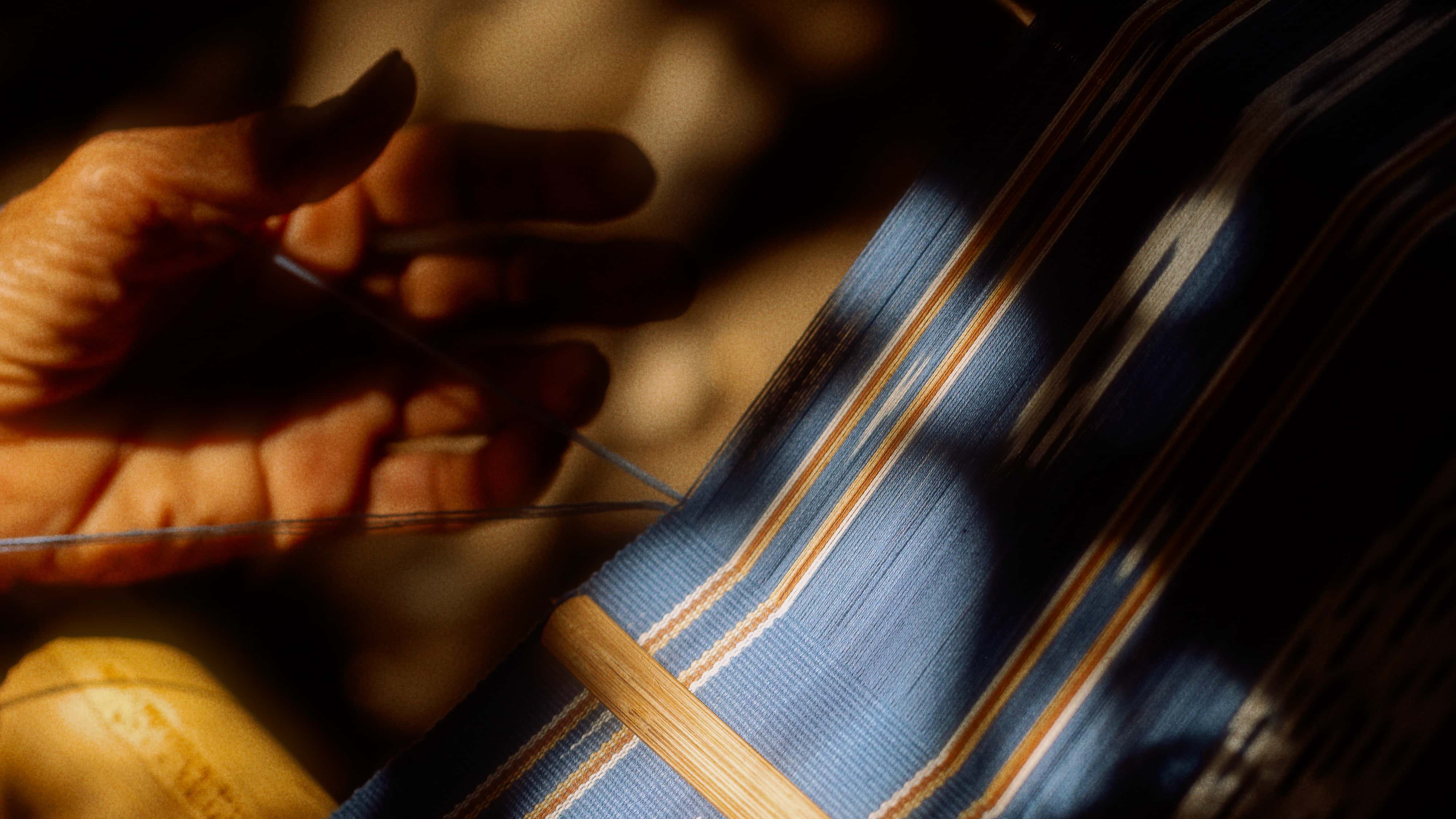
Ikat weaving sessions introduce the meaning behind Sumbanese textiles, while pottery workshops with local artisans offer hands-on insight into traditional craftsmanship. Storytelling sessions provide context to local beliefs, rituals, and daily life. These experiences are not fillers; they are often the moments guests remember most vividly.
Outdoor Adventures That Are Better During Wet Season
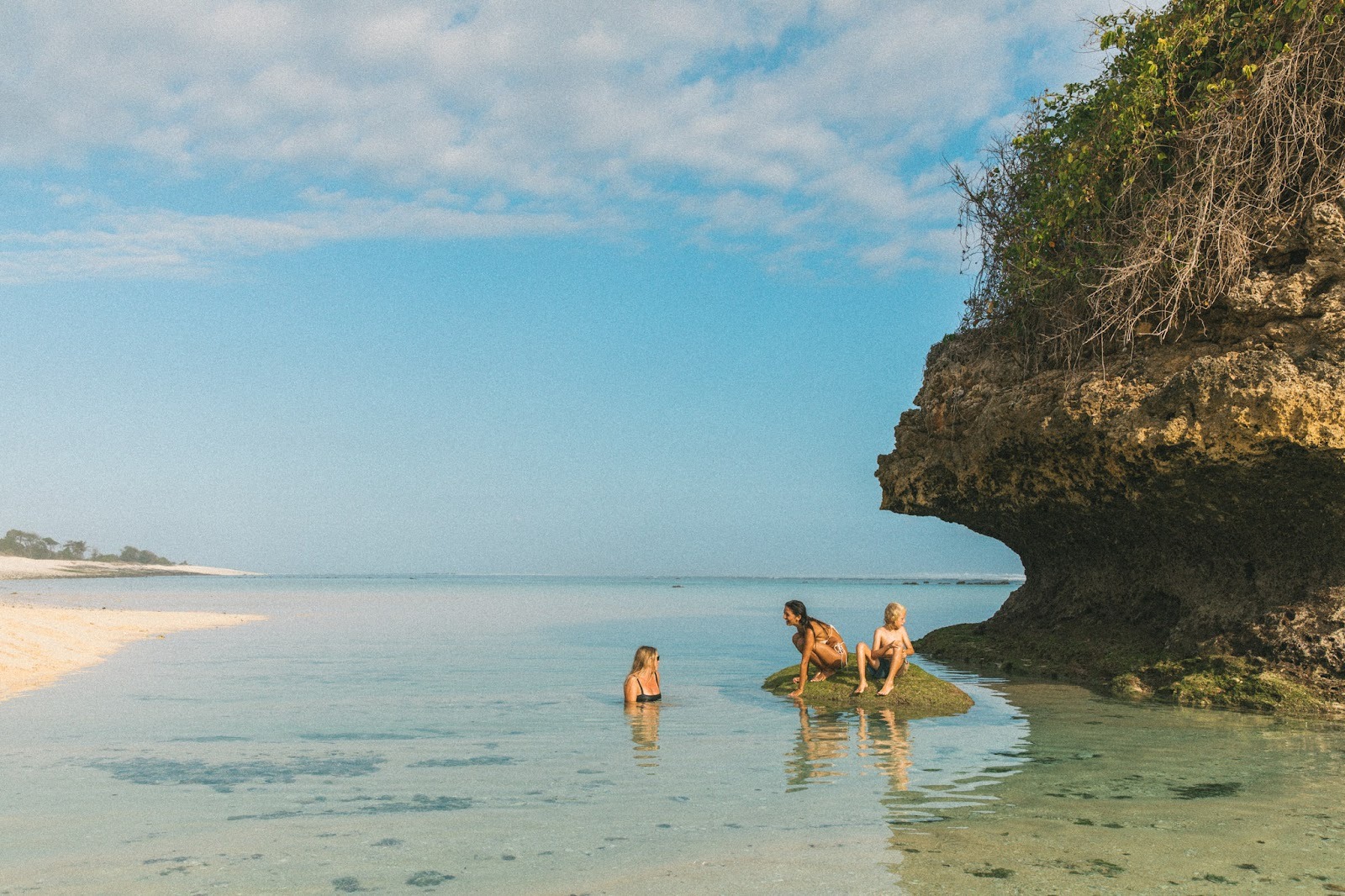
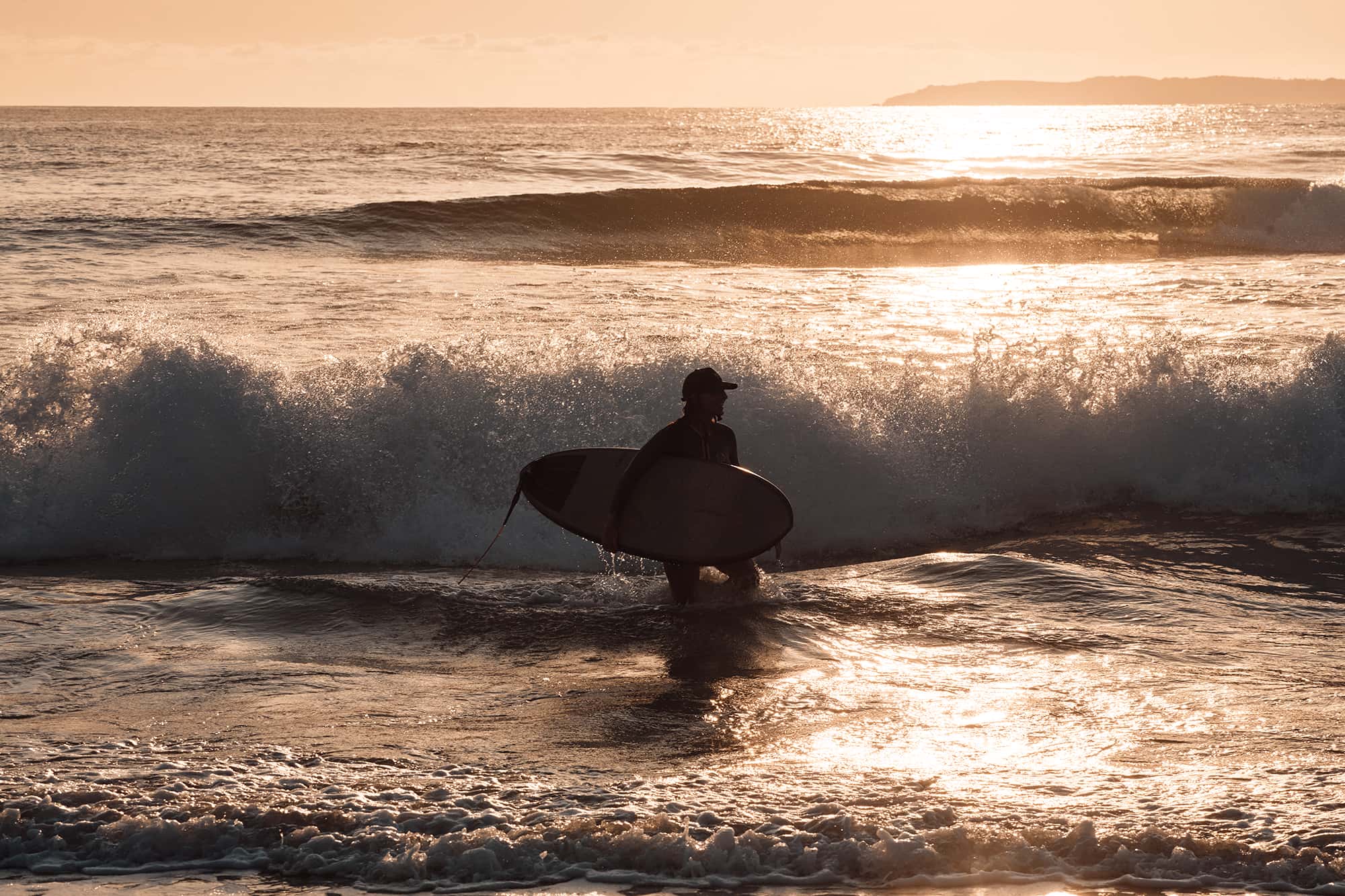
The wet season unlocks activities that may not be available at other times of year. Surf conditions may even improve with consistent swells, attracting experienced surfers to West Sumba’s coastline.
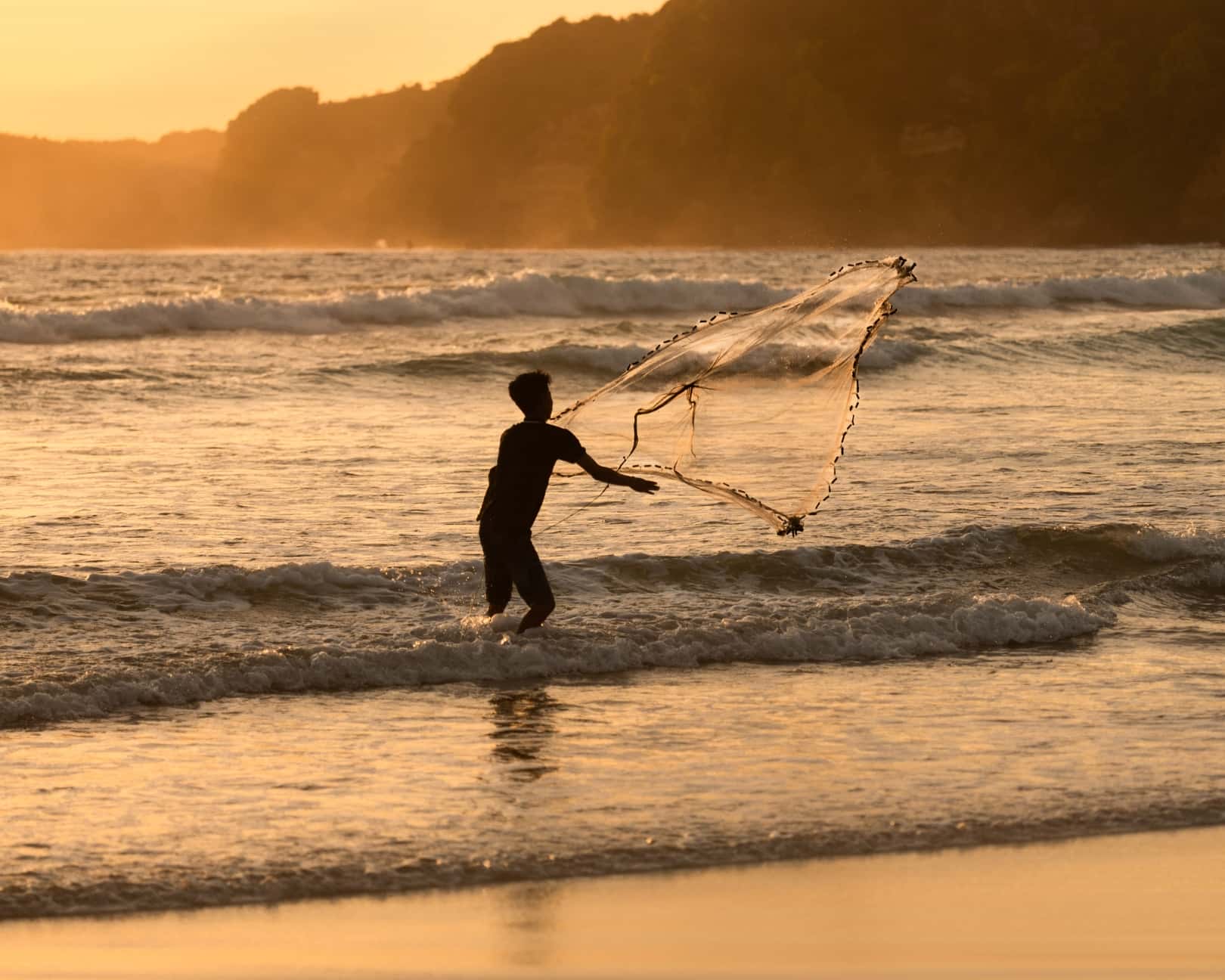
Swimming with horses becomes especially atmospheric in light rain, while waterfall chasing is at its peak when water flow is strongest. Beach walks during weather breaks remain peaceful and uncrowded, and village visits align with harvest cycles, offering a more authentic view of rural life.
Setting Realistic Expectations Before You Go
The wet season in Sumba is not the monsoon season as seen in parts of mainland Asia. Guests are not confined indoors for days, and main roads remain accessible, though some of the more remote routes may require flexibility and adaptation to your travel.
Keep in mind, not every beach is swimmable during periods of high surf, and sunset views can occasionally be clouded. That said, sunrise skies are often clear and striking, and the changing light becomes part of the experience rather than a drawback.
Barefoot Luxury Designed for Weather, Not Against It
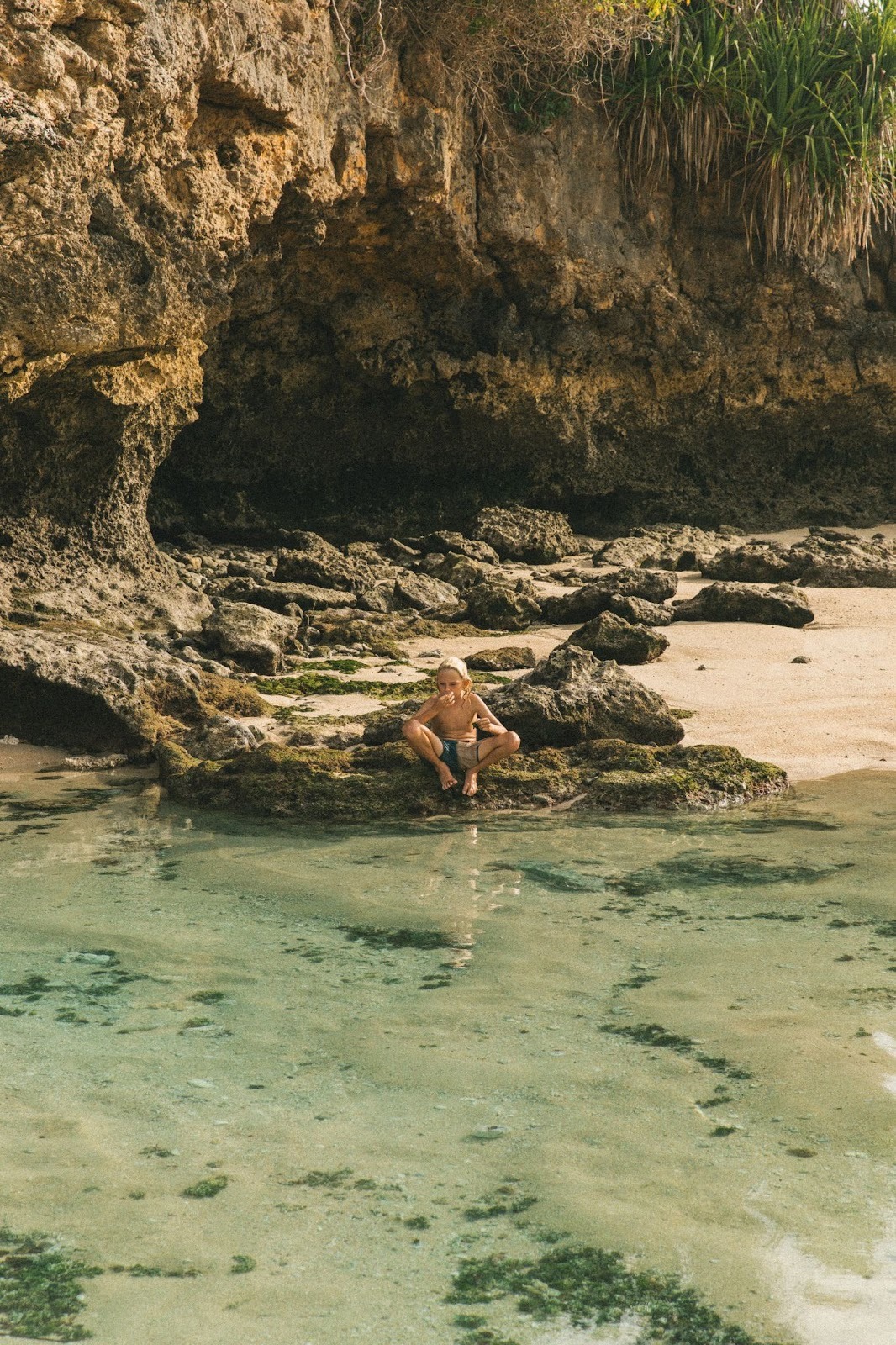
Our approach at The Sanubari is rooted in working with nature rather than trying to control it. Open-air beachfront architecture, private living spaces, covered walkways, and thoughtful drainage allow the resort to remain comfortable throughout changing weather.
Villas are designed to feel cozy during rainy moments, with natural airflow, sheltered outdoor spaces, and interiors that encourage rest and relaxation. For many guests, this creates what we call an intentional holiday, where slowing down becomes part of the value.
What Guests Often Notice During Their Stay
Taken together, these experiences reflect something we see often: when the environment is designed to work with the season, guests stop planning around the weather and start settling into the place itself.
Why Different Traveller Types Choose Wet Season Sumba
Solo travellers often appreciate the quieter atmosphere and deeper local interaction. Couples find the moody skies and intimate settings naturally romantic. Families benefit from flexible days that blend education, culture, quality time and nature.
Content creators will be drawn to navigating natural lights, lush landscapes, and authenticity that cannot be replicated during the dry season. The wet season does not limit experiences; it reshapes them.
Questions Guests Usually Ask Before Visiting in Wet Season
Does rain ruin the overall holiday experience?
In practice, rain becomes part of the atmosphere rather than a limitation. Activities are adjusted around predictable weather patterns, and most guests still enjoy full days outdoors.
Can I still enjoy the beach and ocean?
Yes, though conditions vary. Swimming is best during calmer periods, while high surf days are ideal for walking, photography, or watching waves from sheltered areas.
Is West Sumba safe and accessible during rainy months?
Main routes and key destinations remain accessible.
The Right Season Makes All the Difference: Choose Wisely for the Best Experience
If your definition of the Sumba best hotel experience includes space, authenticity, and meaningful connection to place, the wet season deserves serious consideration. It offers a version of Sumba that feels alive, grounded, and refreshingly unpolished.
Here at The Sanubari, we believe travel is not about avoiding weather, but understanding it. For those open to a slower, richer rhythm, the rainy season often becomes the reason guests want to return.
Book Your Gateway Now!
RESERVE NOW
Author
Angela
Angela is a multidisciplinary Creative, Branding & Marketing Strategist with 8 years of experience in Marketing and 5 years in Branding.
She has worked with international startups, agencies and social enterprises from Southeast Asia, Australia and Europe, and her past clients came from a range of industries, most primarily lifestyle, hospitality and technology. Her passion lies in creativity, social impact and business development. Currently, she oversees the Marketing department of The Sanubari Resort Sumba, driving its digital channels and nurturing communications with loyal and new guests.