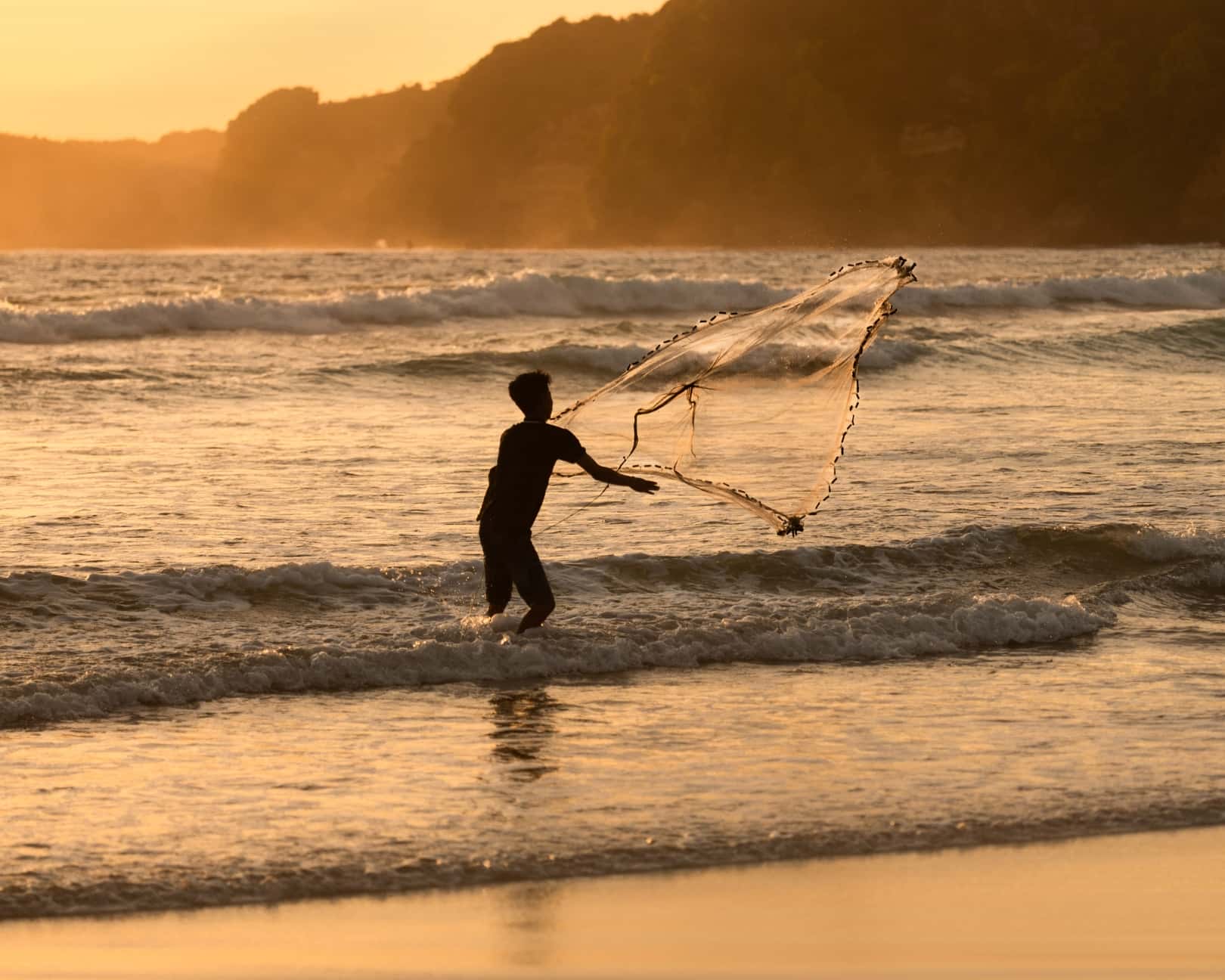
This article is written for travelers planning to travel to Sumba who are seeking more than beautiful scenery when choosing a Sumba Adventure Resort. If your idea of exploring the island goes beyond beaches and dramatic landscapes, understanding local culture becomes essential to experiencing Sumba in a respectful and meaningful way.
Here at The Sanubari, we often see guests arrive for adventure and leave with a deeper appreciation for the people, beliefs, and traditions that shape daily life in Sumba. Cultural awareness is not an add-on to the journey, it defines the quality of it.
Key Takeaways: What to Understand Before Traveling to Sumba
- Sumbanese culture is lived daily through rituals, architecture, and social customs.
- Understanding traditions helps travelers engage respectfully with villages and ceremonies.
- Festivals, crafts, and belief systems are interconnected through Marapu spirituality.
- Staying at a culturally aware Sumba adventure resort supports ethical, community-based tourism.
- Choosing a culturally aware Sumba adventure resort contributes directly to ethical tourism and long-term cultural preservation.
Why Cultural Understanding Matters Before You Travel to Sumba
Sumba is gaining global attention, but its traditional systems remain deeply intact. This creates a unique travel context where curiosity must be balanced with respect.
We’ve observed that travelers nowadays have become more intentional with their itinerary. They seek depth and context, not just access. A deeper understanding of why things matter brings more meaning to their travel. This shift makes cultural literacy a core part of intentional travel especially in islands like Sumba.
10 Things to Know About Sumbanese Culture Before Staying at a Sumba Adventure Resort
1. Marapu Is the Spiritual Foundation of Sumbanese Life
Sumba has preserved its ancient Marapu belief system, which continues to influence daily life—from architecture to social customs. Marapu centers on maintaining harmony between humans and ancestral spirits known as Ina Ama.
Although officially recognized by the Indonesian state only in 2017, Marapu has governed Sumbanese life for centuries. The Ratu, or traditional priest, serves as a spiritual intermediary, ensuring rituals align with ancestral guidance.
2. Ikat Weaving Is Cultural Identity, Not Decoration
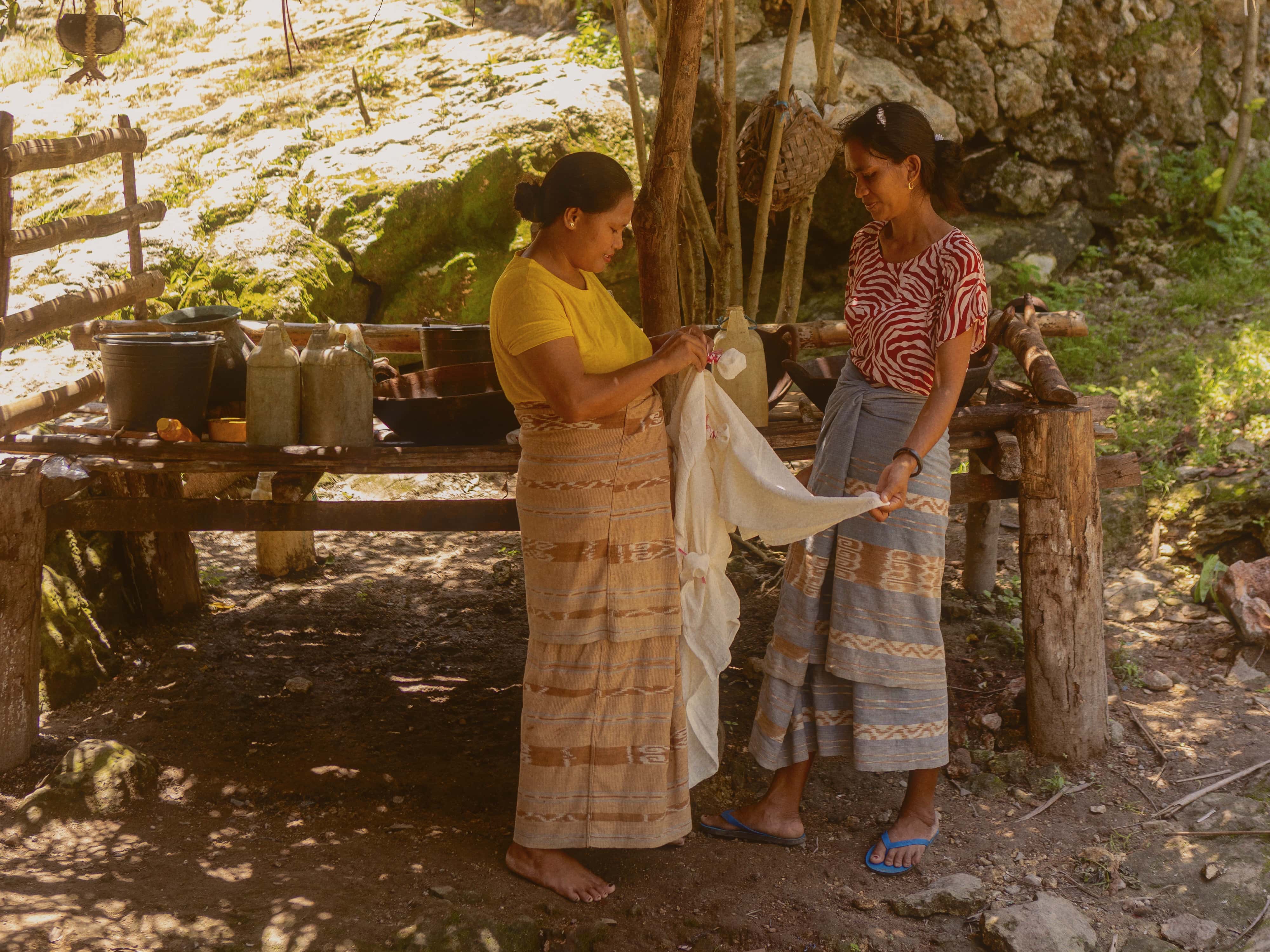
Textiles in Sumba, especially the world-famous Ikat, are produced by local women, and each Ikat motif carries deep meaning. According to Maringi, the human-headed lion symbolizes power, floral motifs reflect social life, and snakes represent life after death.
3. Visiting Traditional Villages Requires Cultural Etiquette
Respect for elders and tradition is essential when visiting Sumbanese villages. Travelers are expected to dress modestly, greet villagers politely, and avoid gestures such as pointing with their feet.
The custom of bringing sirih pinang (betelnut) is also important. This gesture traditionally indicates that you arrive as a friend, not a threat. Understanding these norms will transform ordinary visits from observation into respectful exchange.
4. Megalithic Architecture Is Still a Living Tradition
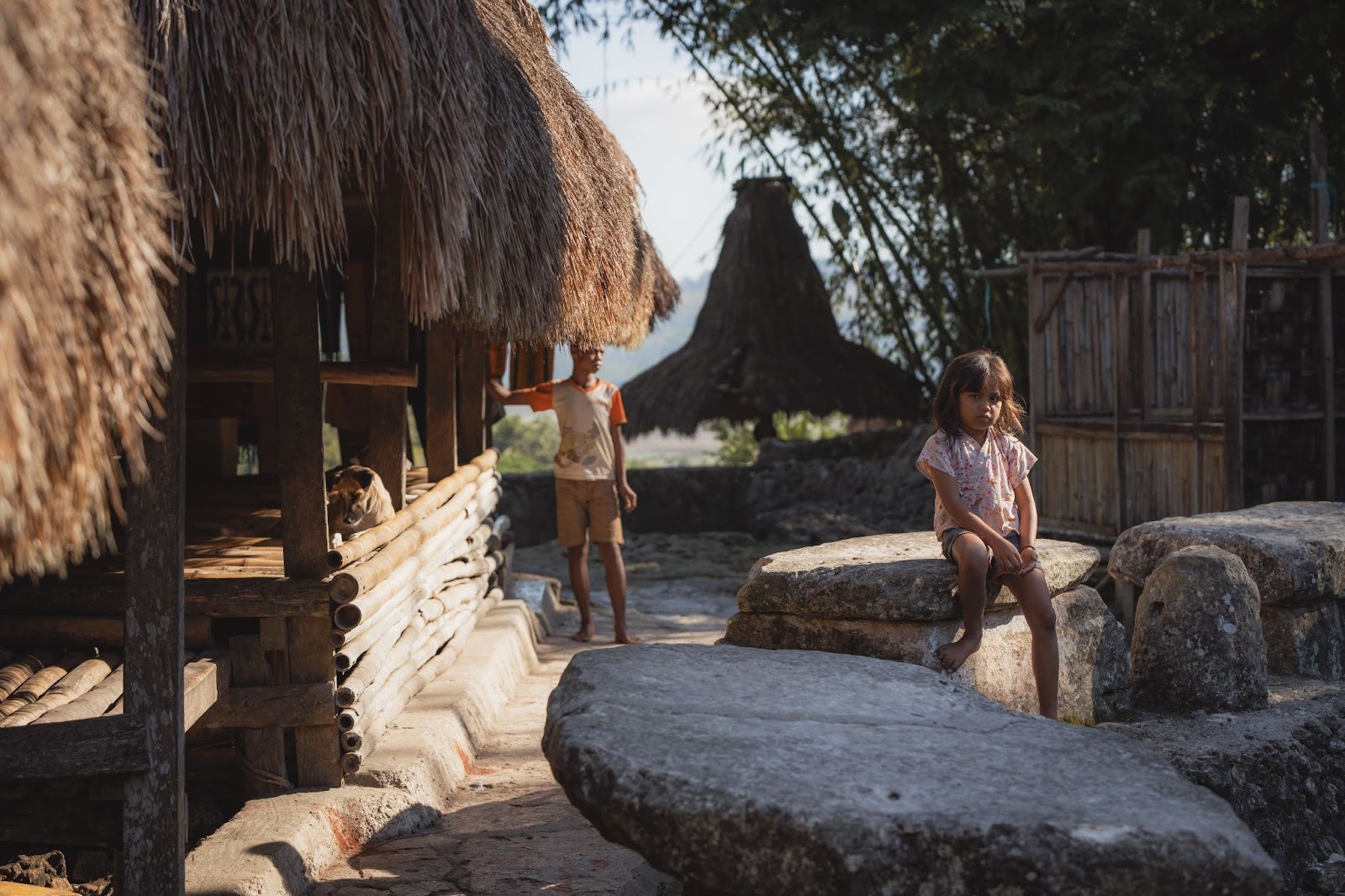
Sumba is one of the last places in the world where megalithic burials still actively take place. Villages are often arranged around massive stone tombs, surrounded by Uma Mbatangu houses with towering roofs.
These roofs are not merely aesthetic. Their height symbolizes spiritual connection to ancestral spirits. Architecture in Sumba reflects belief, hierarchy, and cosmology all at once.
5. Horses Are Central to Social and Spiritual Life
Horses bred in Sumba since ancient times have become symbols of wealth and social status and play a central role in the Pasola tradition. Horses are deeply embedded in ritual life, marriage exchanges, and ceremonial events.
It is also important to note that seeing horses roam freely across the savannah reflects their cultural significance, not neglect or abandonment.
6. Weddings Are Clan-Level Ceremonies Through Belis
Belis is a key wedding ritual in which the groom’s family offers livestock to the bride’s family as an expression of respect and gratitude. This ritual typically includes between 5 and 30 animals such as horses, cows, or buffalo.
These exchanges are seen by the locals as maintaining balance between clans, reinforce social ties, and preserve long-standing kinship systems.
7. Death Ceremonies Reflect Ongoing Ancestral Presence
In Sumba, death ceremonies are often considered more important than life events. Families may spend years preparing and saving to properly honor their ancestors.
Ancestors are believed to remain present in daily village life, guiding and protecting the living. Visitors may witness preparations but should observe quietly and respectfully.
8. Pasola Is a Sacred Agricultural Ritual
The Pasola festival is a ritual jousting event held between February and March to mark the rice planting season. This event symbolizes fertility and agricultural renewal.
It is preceded by the Nyale ritual, where sea worms are gathered to predict harvest abundance. Pasola is considered a sacred obligation, not a spectacle staged for visitors.
9. Everyday Social Customs Follow Deep Moral Logic
Certain social customs may feel unfamiliar. The pahilir tradition, for example, requires respectful avoidance between in-laws of opposite sexes to uphold moral boundaries.
Understanding these customs prevents cultural misunderstanding and signals respect within the community.
10. Traditional Crafts Are Linked to Spiritual Practice
Wulla Poddu marks the Sumbanese New Year and involves a month-long period of rituals, sacrifices, and prohibitions, typically observed between October and November. It represents renewal and spiritual balance.
The prohibitions during Wulla Poddu are comparable in significance to Ramadan or Lent, emphasizing reflection before the planting season.
Supporting Sumbanese Communities Through Intentional Tourism
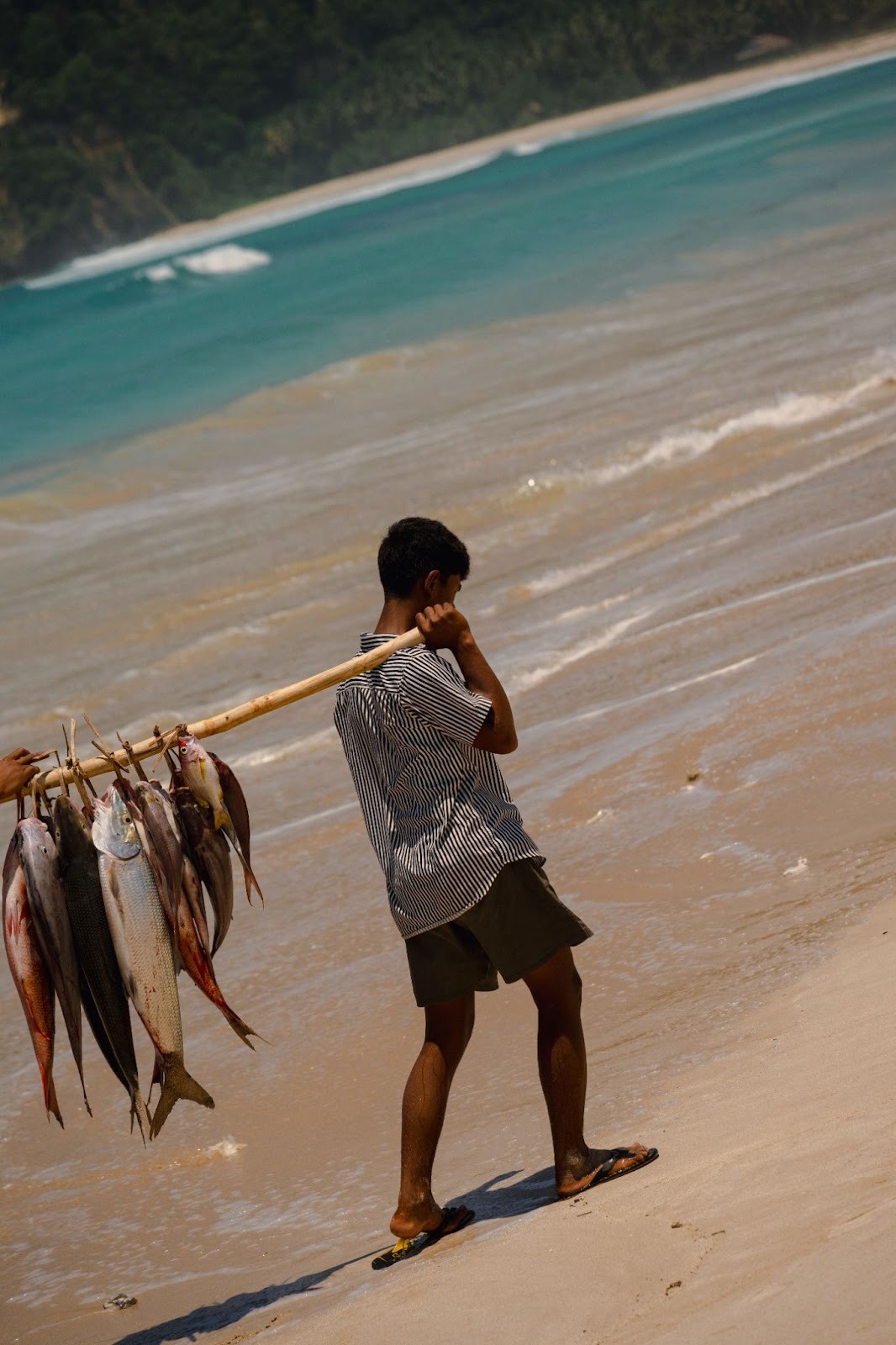
Tourism in Sumba is growing, but efforts continue to ensure it benefits local communities while preserving cultural integrity. The importance of purchasing crafts directly from artisans and respecting sacred boundaries is immense.
At The Sanubari, we see intentional and ethical tourism as an ongoing commitment—supporting education, employment, and cultural continuity rather than short-term exposure.
What Do Travelers Often Say About Sumbanese Culture After Visiting?
What Questions Do Travelers Often Ask Before Visiting Sumba?
How flexible are cultural experiences if we want depth without feeling overwhelmed?
Cultural experiences in Sumba can be shaped around how involved you want to be. Many travelers prefer to start by observing and listening before participating more actively. This approach allows you to gain insight and appreciation without feeling rushed or out of place.
How much time should we realistically plan for cultural activities?
To experience Sumbanese culture with proper context, half-day experiences are usually the right balance. This allows time for explanation, interaction, and reflection, rather than treating villages or ceremonies as quick sightseeing stops.
Is Sumba a comfortable destination for travelers new to Indonesia or culturally rich regions?
Yes, when the journey is supported by clear guidance and local insight. With thoughtful introductions and culturally aware hosts, first-time visitors often find Sumba approachable, enriching, and easier to navigate than expected.
How Can Cultural Awareness and Adventure Come Together in Sumba?
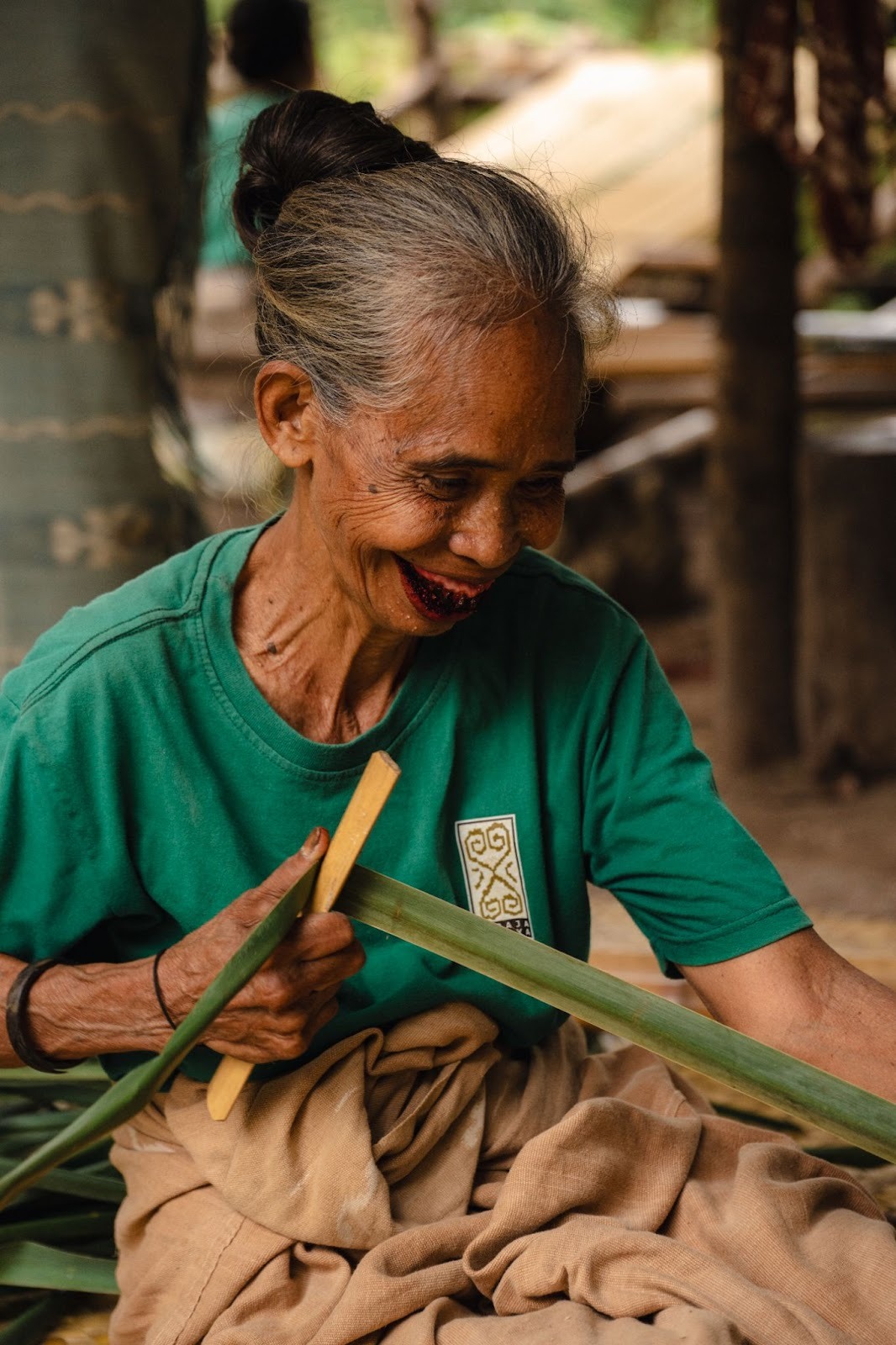
Cultural understanding reshapes how people experience Sumba. When travelers arrive informed and curious, dramatic landscapes turn into living stories, and brief encounters become meaningful connections rooted in respect. Rather than feeling staged, tradition, land, and daily life reveal themselves as naturally interconnected.
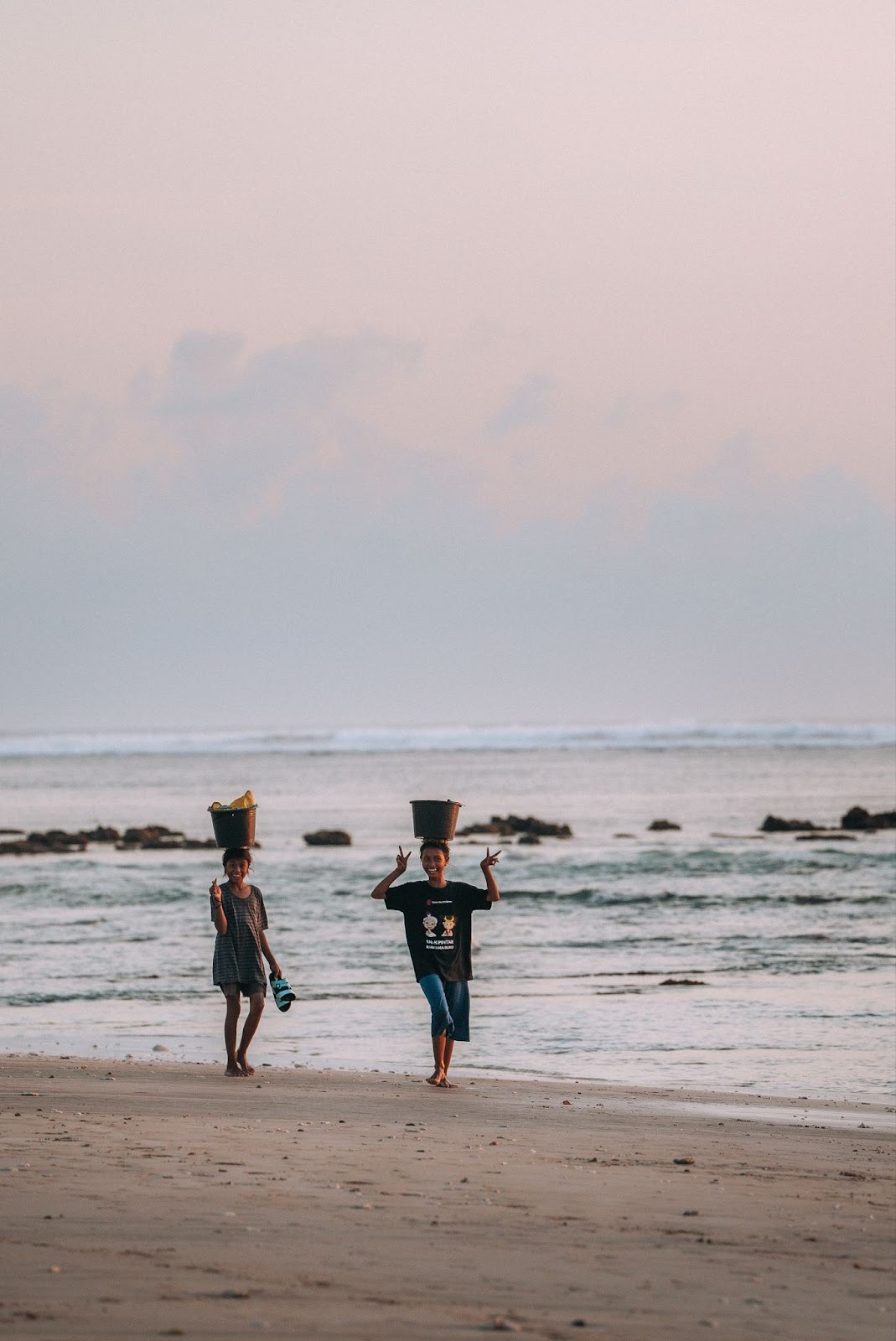
At The Sanubari, we see cultural awareness and exploration as part of the same journey. Alongside village visits and cultural encounters, many guests are drawn to the coastline surrounding our Sumba Adventure Resort. Beaches such as Dassang and Marosi reflect Sumba’s raw, untamed character—offering a complementary perspective for those who want to travel Sumba with both cultural depth and a sense of place, on land and by the sea.