Most people who travel to Indonesia for Sumba island travel are focused on what the island offers: the beaches, the megalithic culture, and its wonderful nature. What Sumba carries alongside all of its beauty, however, is also a water crisis that is unfortunately not as abstract, rare or distant. This water crisis is present within local villages, in schools, and within the daily routines of kids and families who spend hours every single day doing something most urban citizens never had to think about: retrieving water to be boiled and used for daily needs.
This post is about what we’ve been doing to ease this issue, why the problem is as serious as it is, and what ripple effects clean water infrastructure in schools look like when they take hold.
Key Takeaways: What the Water Crisis in West Sumba Looks Like, And What We Are Doing About It
- West Sumba has the highest rate of water insecurity in all of East Nusa Tenggara province, with more than 40% of households lacking sufficient access to clean drinking water.
- The Sanubari Sumba's Water Facilities Programme has constructed deep-drilled wells, dedicated toilet blocks, and handwashing stations in local schools in West Sumba, replacing open defecation and unreliable surface water with year-round infrastructure.
- Before these facilities were built, children in surrounding villages walked up to seven kilometres twice daily to collect water, a task that directly caused school absences.
- Toilet facilities at schools have a specific and documented effect on girls' school attendance. Without private sanitation, adolescent girls are disproportionately likely to drop out.
- Every facility built through this programme is funded in part by guests who choose to contribute through The Sanubari Sumba's social programmes page.
How Severe Is the Water Access Crisis in West Sumba?
.jpg)
West Sumba carries one of the most severe water access crises in the country. More than 40% of households in the region lack sufficient access to clean drinking water, and the island's limestone terrain makes drilling for groundwater difficult, typically requiring depths of 60 to 70 metres and more than a week of work per well. Surface water tanks, the most common alternative, routinely run dry during dry spells lasting four months or more. Children in some communities were walking seven kilometres twice daily to collect water before new infrastructure was installed.
The broader numbers are equally stark. South West Sumba is the second poorest district in NTT, a province that ranks among the most disadvantaged in Indonesia. We Are Water documents that 63% of families in some parts of Sumba have no access to a source of drinking water at all. Life expectancy in NTT stands at 66 years against a national average of 71. For anyone planning Sumba island travel, understanding this context changes how the island feels — and what staying here actually means.
What Has The Sanubari Sumba Built Through the Water Facilities Programme?
The Sanubari Sumba's Water Facilities Programme focuses on schools first to tackle this water issue. Rather than surface-level initiatives, each facility we build addresses a specific and measurable gap in what local schools have access to. You can read more about how The Sanubari Sumba engages with surrounding communities in our cultural experiences guide.
Together these three elements constitute the baseline that most Indonesian schools outside remote island districts take for granted. For the schools in our surrounding communities, they represent a fundamental shift in what a school day actually looks like for a child.
Why Schools Specifically, and What Changes When They Have These Facilities
For girls specifically, the absence of private toilet facilities is one of the most consistently documented drivers of school dropout in rural Indonesia. Adolescent girls without a private, functional toilet face a direct choice between their dignity and their education.
The handwashing infrastructure creates what researchers call a multiplier effect. Children who develop the habit at school carry it home. Parents and younger siblings adopt it. Over time, community-wide sanitation behaviour shifts in ways that produce health outcomes well beyond the school gate.
What This Looks Like in Practice at The Sanubari Sumba

The Sanubari Sumba employs over hundreds of people recruited largely from the surrounding villages and kampungs. The communities we are describing here are not distant beneficiaries. They are the families of the people who prepare your breakfast, maintain the villas, and guide guests on cultural excursions. When we build a well at a local school, we are building it for children whose parents we know by name.
It is practical engagement with a crisis that directly affects the people who make this resort work. The programme is funded in part through guest contributions. If you want to be part of it, the donation page is here.
What Guests Who Have Stayed Here Say
Understanding the community dimension of a stay at The Sanubari Sumba changes how many guests experience it. The resort is not only a destination. It is an active participant in the place it occupies
The pattern in both accounts reflects something we see: guests who take the time to understand the community context of The Sanubari Sumba leave with a different relationship to what they experienced than those who simply enjoyed the beach and the villas.
What Can Guests Do to Support the Water Programme?
The water crisis in West Sumba is solvable at the school level. The infrastructure required is not complicated. What it requires is funding and sustained commitment from organisations willing to invest in communities that are not typically on a development priority list.
If you are planning a Sumba island travel experience and want to understand more about the community context of the island you are visiting, our social programmes page covers the full scope of what the Water Facilities Programme has built and what comes next. Guest contributions go directly to infrastructure construction. There is no overhead layer between the donation and the well.
To learn more about what life looks like in the communities surrounding The Sanubari Sumba, our cultural experiences guide covers the village tours, ikat weaving classes, and community connections that form part of a stay here.
What People Usually Ask About This Programme
Can guests visit the schools or see the water facilities during their stay?
Yes. Our team can arrange a visit as part of the village tour experience. Contact us at stay@thesanubari.com before your arrival and we will coordinate accordingly.
How are the donated funds used?
Contributions go directly to infrastructure construction: well drilling, toilet block building, and handwashing station installation. There is no overhead layer between the donation and the facility being built.
Is this programme ongoing, or has it concluded?
It is ongoing. Each new school facility requires funding, and the need across West Sumba remains significant. Check availability for your stay and consider contributing to the programme before or after your visit. For more information, visit our Social Programme page.
This Is What It Means to Be Present in a Travel Destination, Instead of Just Visiting
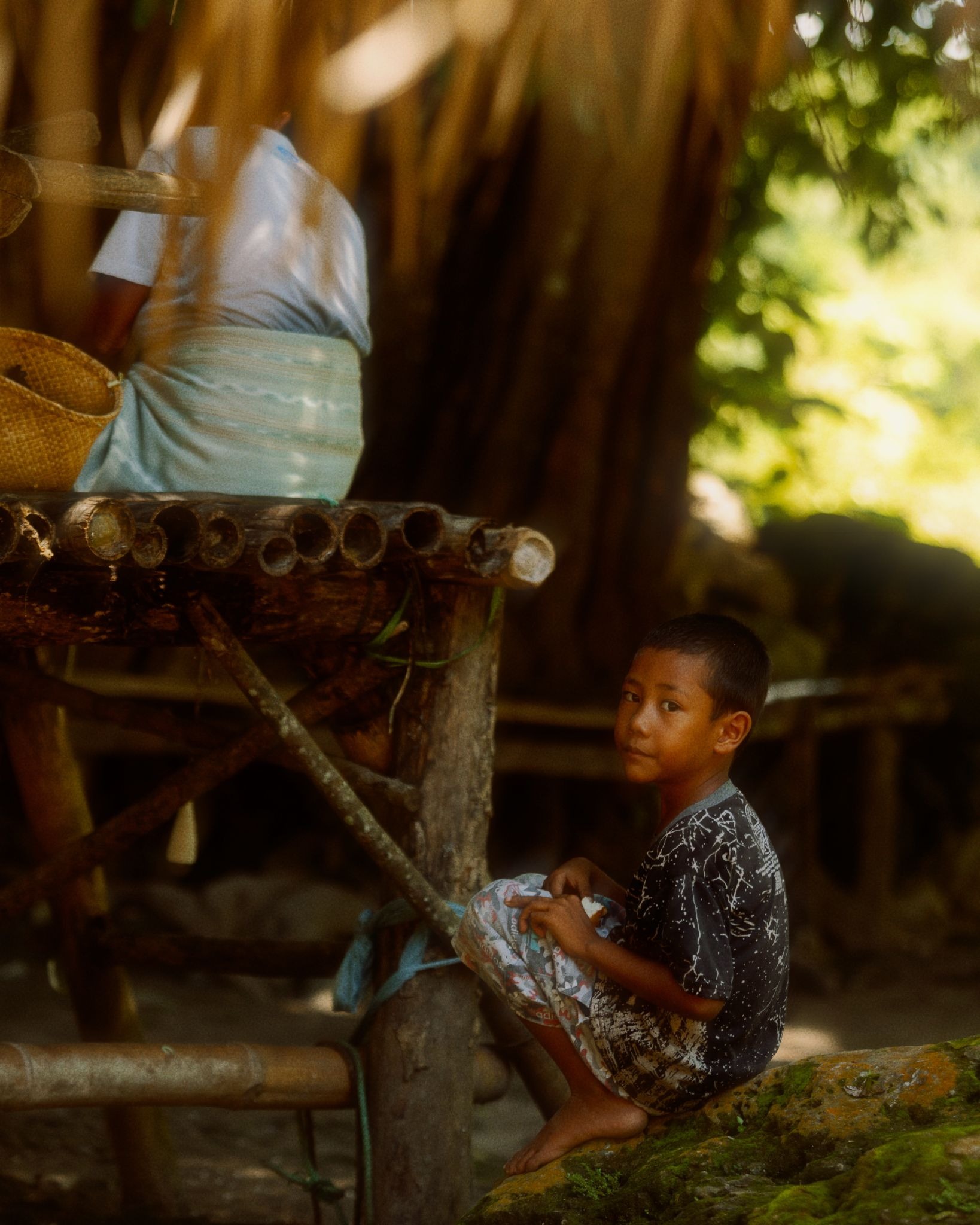
A resort that employs over hundreds of people from surrounding villages is not a neutral presence in its landscape. It has an effect on those communities whether or not it chooses to acknowledge that. The Water Facilities Programme is how we choose to acknowledge it: by directing resources toward the most foundational need in the schools where our staff's children learn.
If you are ready to book your stay, check availability here. If you want to contribute to the water programme directly before or after your visit, the donation page is at thesanubari.com/social-programmes/water-facilities. And if you have questions about the programme or want to understand more before contributing, write to us at stay@thesanubari.com. We will give you a direct answer.
Book Your Gateway Now!
RESERVE NOW
Author
Angela
Angela is a multidisciplinary Creative, Branding & Marketing Strategist with 8 years of experience in Marketing and 5 years in Branding.
She has worked with international startups, agencies and social enterprises from Southeast Asia, Australia and Europe, and her past clients came from a range of industries, most primarily lifestyle, hospitality and technology. Her passion lies in creativity, social impact and business development. Currently, she oversees the Marketing department of The Sanubari Resort Sumba, driving its digital channels and nurturing communications with loyal and new guests.