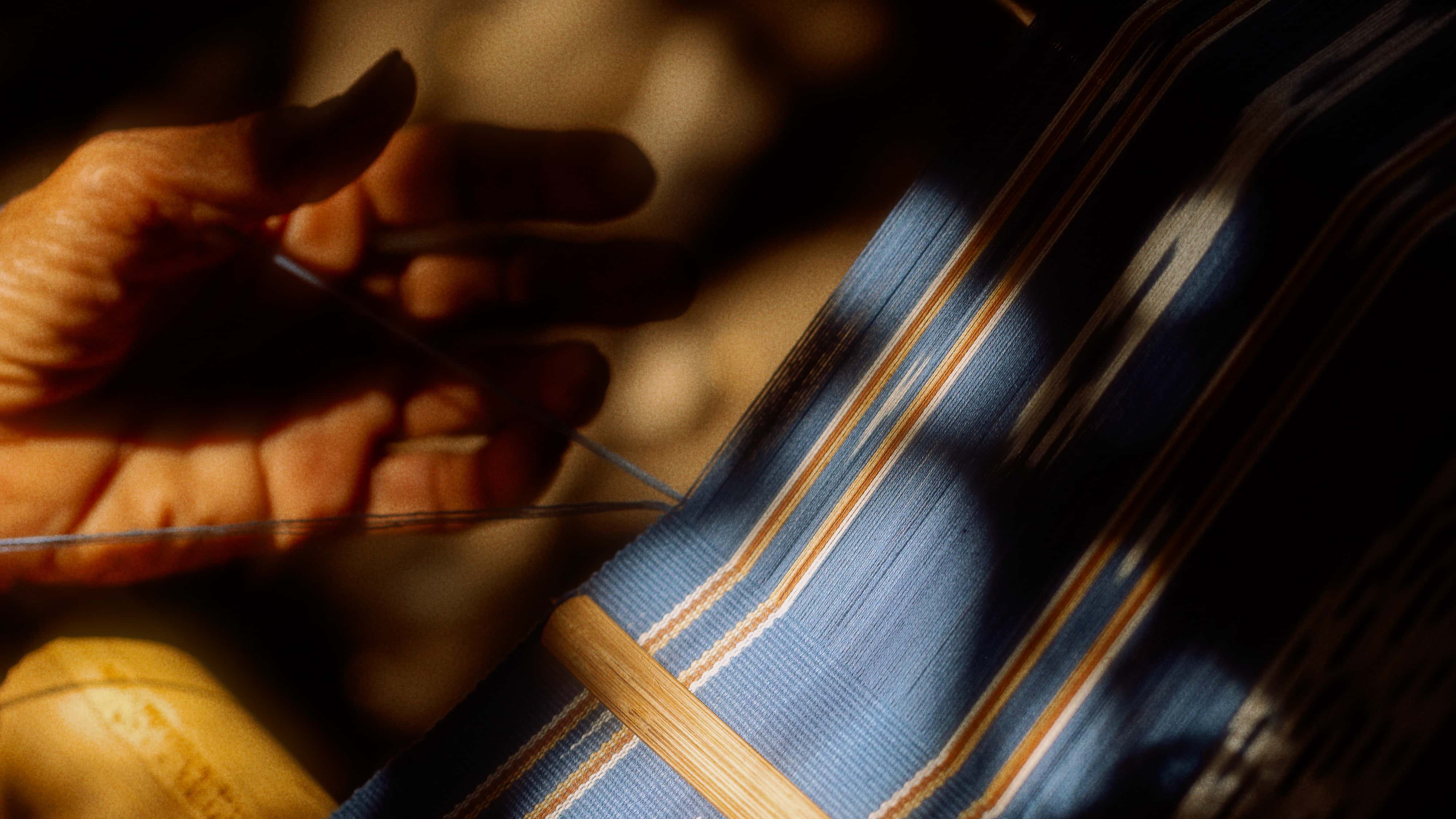
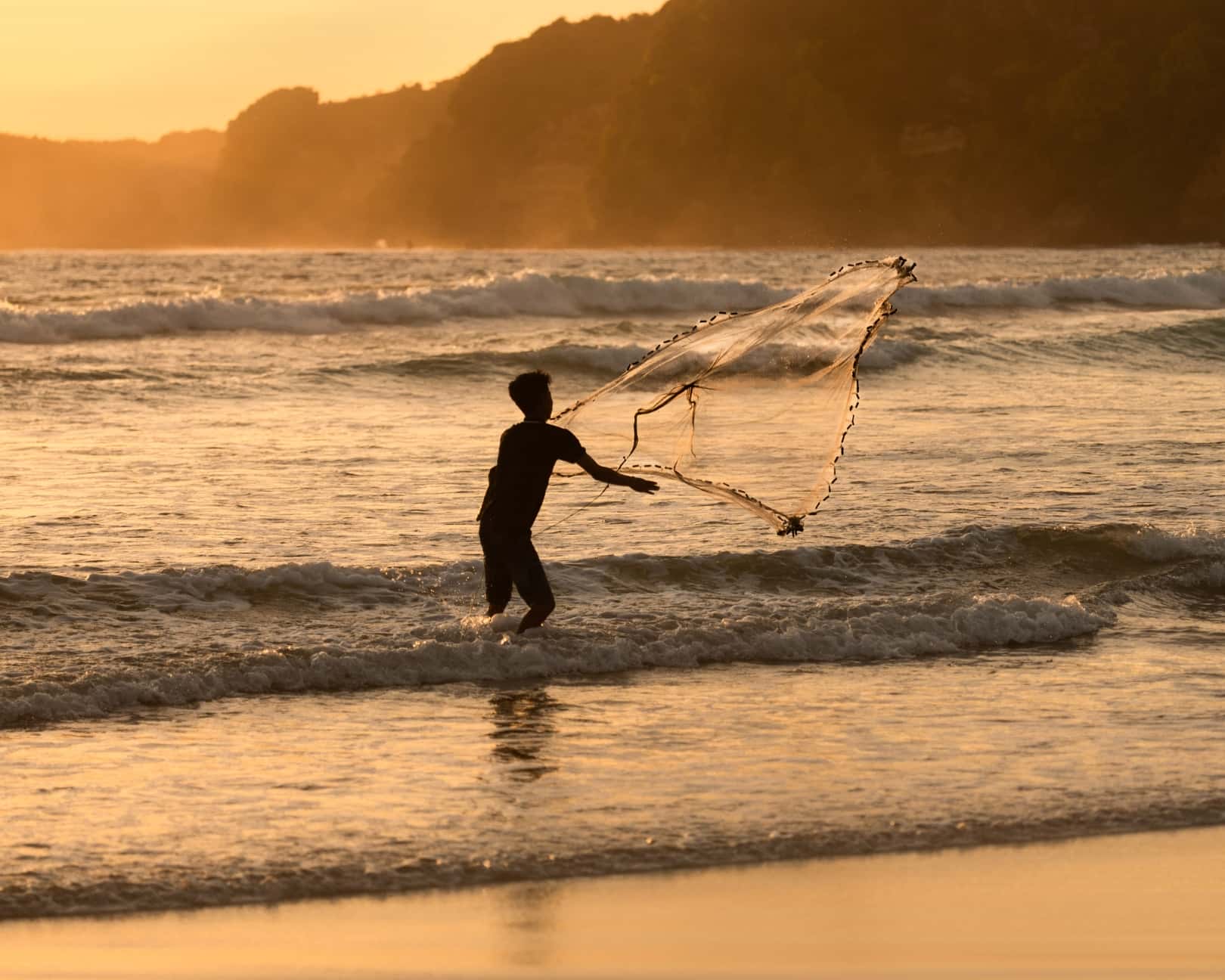
Most guests who book a Sumba Island accommodation arrive expecting beaches and surfing. What they most likely miss is the weight of the heritage culture surrounding the island. Sumba is one of the last places in Southeast Asia where a megalithic civilization is not a museum exhibit but a daily reality. The tombs are in the villages. The ceremonies are still performed. The ikat is still woven manually by hand using natural dyes that take weeks to prepare. Staying at The Sanubari means being adjacent to all of this, on a 100-hectare reserve seated within the ancestral lands of the Marapu people in West Sumba.
This post covers the four pillars of Sumbanese living heritage that guests encounter during a stay here: Marapu, Ikat, the Parang, and Pasola. Understanding what each one means changes how you experience the island, and changes what you take home with you beyond photographs.
Key Takeaways: What Makes Sumba's Culture Different From Anywhere Else in Indonesia
- Marapu is not a historical belief system. It is a living faith where ancestors are considered present and watchful, and every major life event on Sumba moves through ritual.
- Sumba ikat is made entirely from cotton and natural plant dyes. A single large piece involves three to ten craftspeople and can take up to a year to complete.
- The Parang, known locally as the Kabeala, is carried as an expression of cultural identity. Its presence in traditional dress carries the same weight as the ikat cloth itself.
- Pasola is a mounted spear-throwing ceremony held each February and March, set by traditional elders using the lunar calendar. It has been performed for over two thousand years.
- At The Sanubari, all of these traditions are accessible through the Ikat and Dye Class, Village Tour, and Pottery Class, where guests are welcomed as participants rather than spectators.
Marapu: The Belief System That Shapes Everything on Sumba
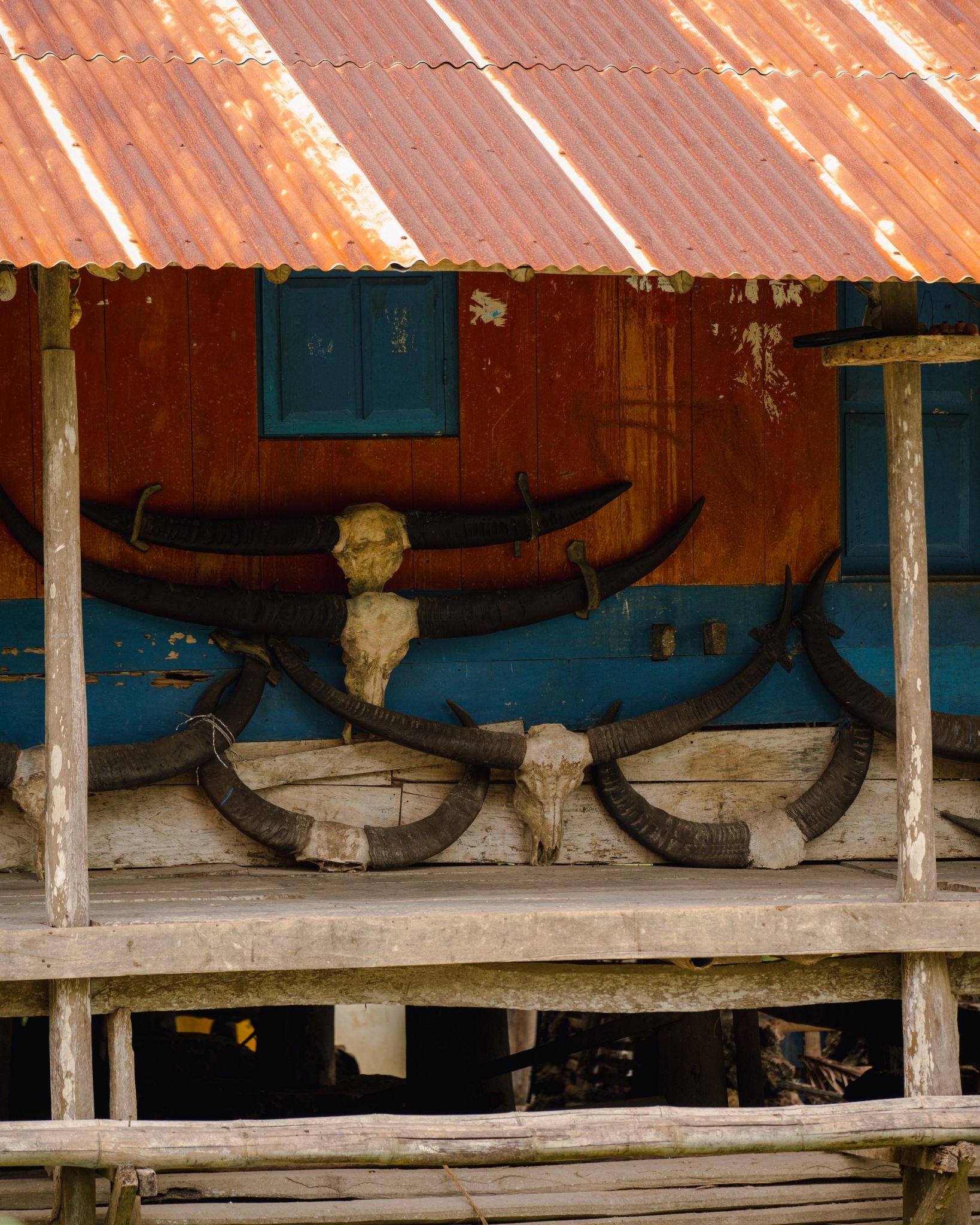
Sumba makes more sense once you understand about Marapu. It is the island's indigenous animist faith, and as Kabisu Sumba puts it, a living belief system rather than a historical one; the spirits of ancestors are considered present and watchful in the spirit world known as Prai Marapu. The word itself comes from two roots: mar, the creator and source of life, and apu, meaning grandfather. It is a description of a worldview in which the dead have not left, they simply moved somewhere the living cannot see.
Weddings, funerals, building a new house, planting and harvesting crops all move through Marapu on Sumba. These rituals are not symbolic acts but instead they are genuine communication between the living and their ancestors, intended to secure blessings: good health, family harmony, a productive harvest. Guests who join a village tour from The Sanubari will walk through a community that still organises its entire social and spiritual life this way.
Ikat: Why a Single Cloth Can Take a Year to Make
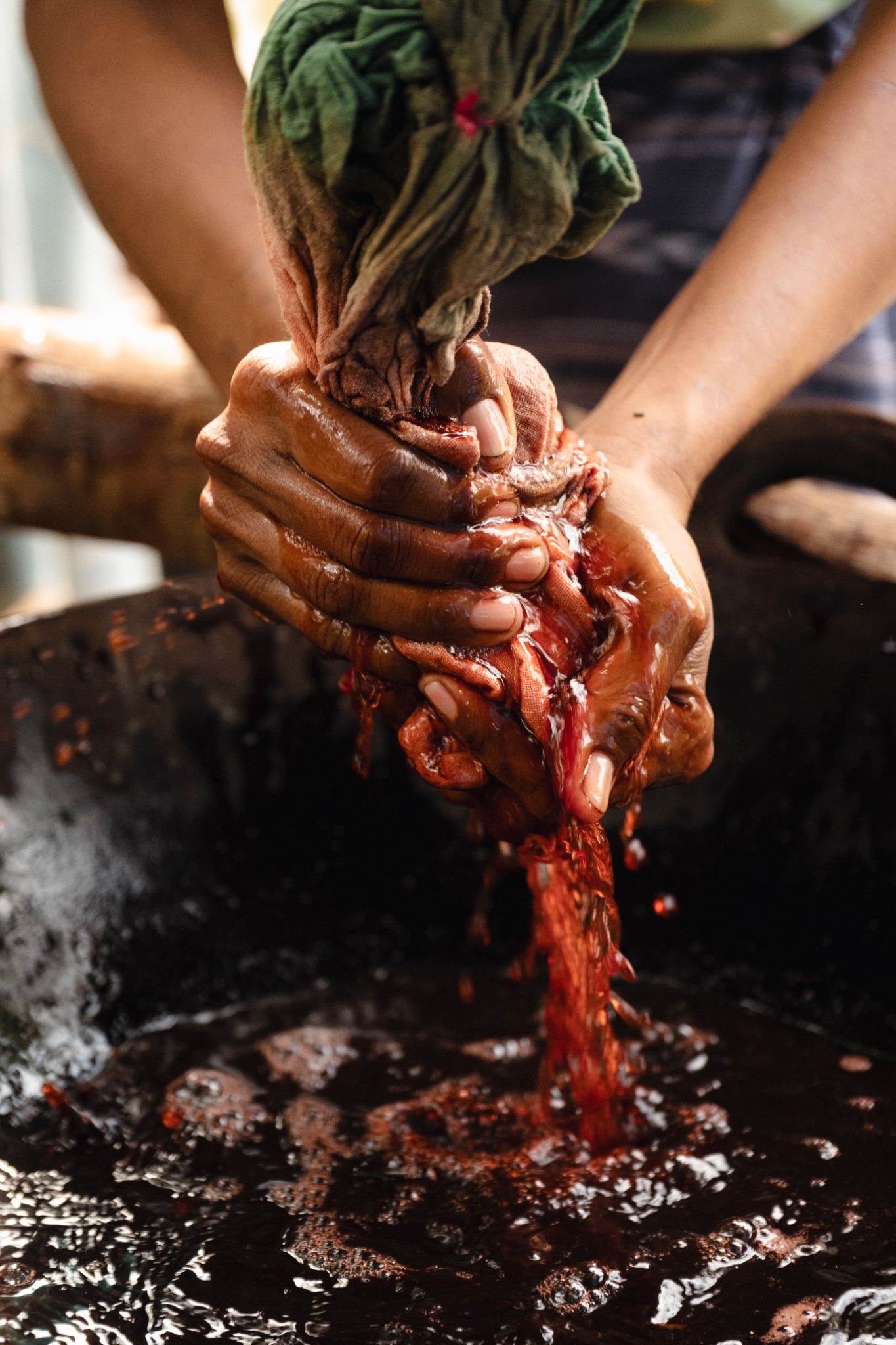
The word ikat means to tie or bind, which is exactly what the technique involves. The cotton yarns are bound and dyed before they ever reach the loom, so the pattern is built into the thread itself rather than added during weaving. Getting this right requires between three and ten people working together, and the process takes anywhere from two months to a full year for a large piece.
No synthetic dyes are used in Sumba ikat. Indigo gives the blues, noni root produces reds and oranges, and various combinations of bark and leaf fill out the rest of the palette. Each family keeps its own dyeing methods private, passed down through generations and rarely written down, which is a large part of why every finished piece feels genuinely individual. The motifs woven into the cloth such as horses, crocodiles, ancestral figures and geometric forms each carry meaning rooted in Sumbanese cosmology. The finest pieces were historically reserved for the higher clans and placed in graves for the afterlife. Today they are collected by museums and textile scholars worldwide. At The Sanubari, the Ikat and Dye Class lets guests work through part of this process with local artisans using the same natural materials. No prior experience is needed, though at least 24 hours notice is required to book.
The Parang: What a Blade Means on Sumba
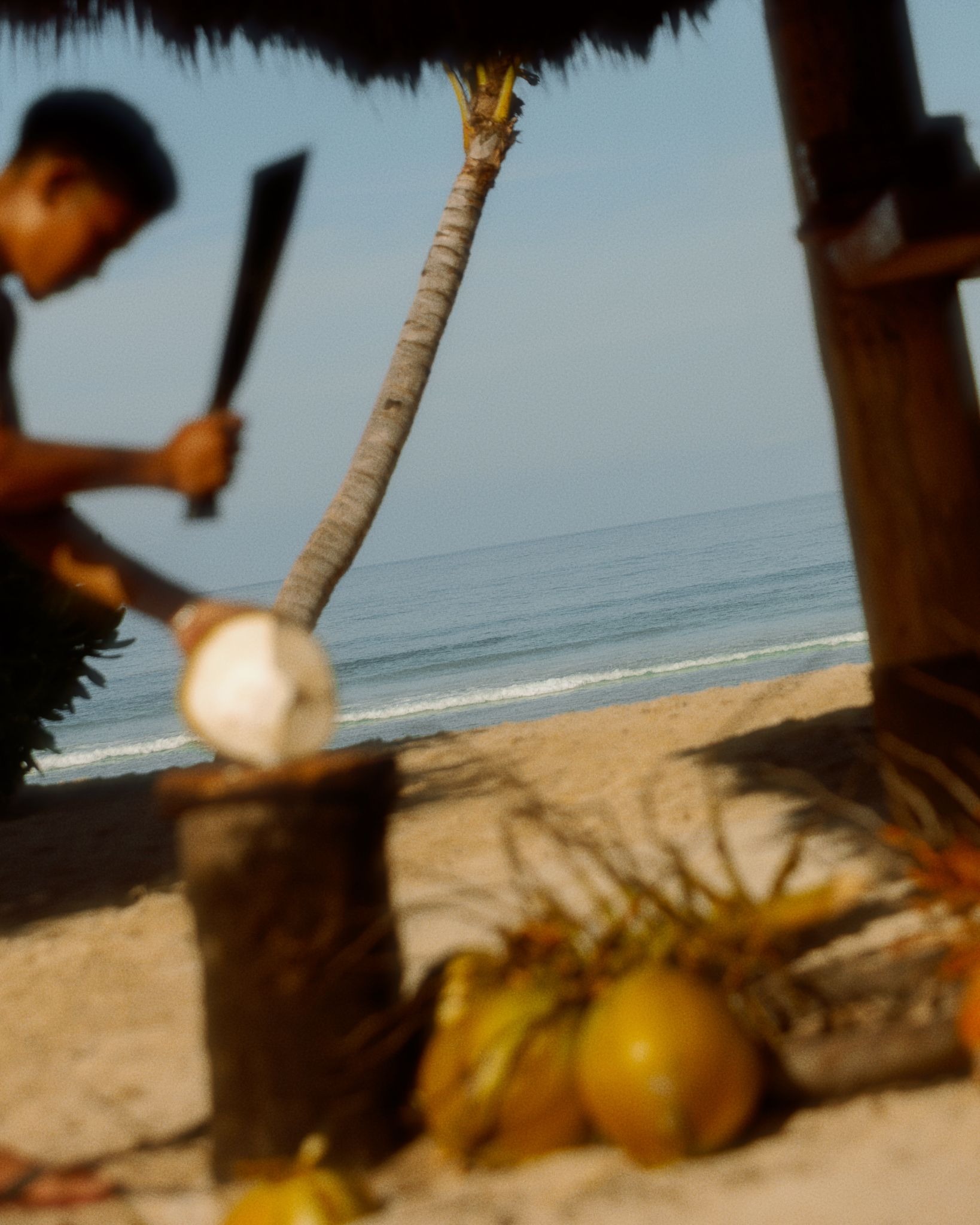
The Kabeala is the short blade Sumbanese men carry as part of traditional dress, and it carries as much cultural weight as the ikat cloth around the waist. It is a water buffalo horn hilt, a hand-woven scabbard, and a compact blade that was practical for daily use in dense terrain, whether for clearing vegetation, building, preparing food, or defence.
Carrying one is not a show of aggression. In traditional dress the Kabeala is an expression of readiness, identity, and cultural pride. Visitors who know this see it differently when they encounter it in a village. It sits in the same category as a formal garment in another culture: something that signals who you are and what you stand for, not something carried to threaten.
Pasola: The Ceremony That Has Fed the Earth for Two Thousand Years
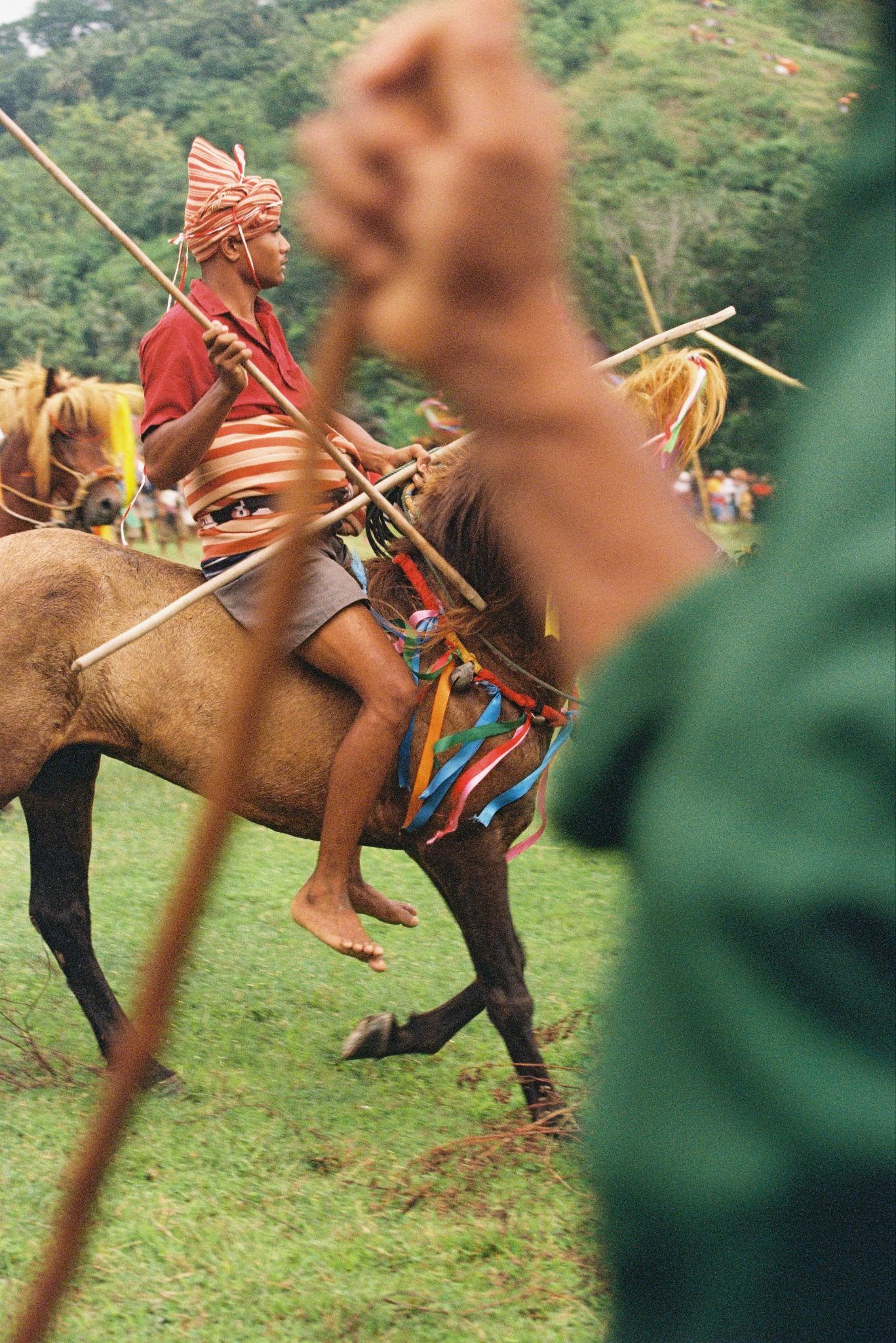
Pasola is held in February and March each year, and it is unlike any other event in the Indonesian calendar. Warriors on Sandalwood horses charge at one another hurling blunted wooden spears across the field, in a ceremony rooted in Marapu tradition and believed to bless the harvest, honour ancestors, and maintain the balance between the visible and invisible worlds.
The timing is not set by a fixed calendar. It is determined by traditional elders known as Rato, based on the lunar cycle and the appearance of nyale, a specific species of sea worm that surfaces at the shore as a signal that conditions are right. The spilling of blood during the ceremony is considered sacred, believed to fertilise the earth for the season ahead. Pasola has been performed continuously for over two thousand years and remains one of the most authentic cultural ceremonies in Southeast Asia. It is never staged for visitors. It happens on its terms, and guests who witness it do so as respectful observers of something that does not exist for their benefit.
What These Traditions Look Like When You Encounter Them as a Guest
For all cultural experiences organised through The Sanubari, guests are asked to arrive with humility: ask before photographing locals or sacred objects, dress modestly in traditional villages, accept any food or drink offered as a gesture of welcome, and listen more than you speak. The artisans and villagers who open their homes and practices to guests are the living custodians of a heritage that no museum can replicate.
What Guests Who Have Stayed Here Say
The cultural dimension of a stay at The Sanubari is something guests consistently mention once they have experienced it, often noting that it changes the whole character of a trip to Sumba.
The pattern in both accounts reflects what we see consistently: guests arrive for the landscape and the beaches, and leave having been changed more by the culture than by the coastline.
Before You Plan Your Cultural Experiences
Do I need any prior knowledge or skill to join the Ikat and Dye Class or Pottery Class?
No experience needed. Both classes are guided by local artisans and open to all levels — just contact the front team via WhatsApp at least 24 hours before you want to join.
Can I visit a traditional Sumbanese village independently, or does it need to be arranged through the resort?
We strongly recommend booking through us. The Sanubari has established relationships with local communities that make the visit genuinely respectful, and arriving unannounced at a traditional kampung without introduction risks being intrusive.
Is Pasola accessible to visitors, and how do I plan around it?
Yes, but the exact date cannot be confirmed far in advance as it is set by traditional elders using the lunar calendar. Write to us at stay@thesanubari.com well before your planned visit and we will help you plan around the most likely window.
The Island That Stays With You
Read more about what to explore during your time here in our Sumba travel guide, and explore the full range of cultural and island experiences available through The Sanubari. If you want to understand more about the ikat tradition specifically, our blog on experiencing Sumba's ikat culture covers the full history and craft process in detail.
Sumba does not ask you to be a cultural tourist. It simply continues to exist as it has for thousands of years, and the guests who engage with it carefully and genuinely tend to find that it leaves a deeper impression than any destination they have visited before. Check availability for your stay, or write to us directly at stay@thesanubari.com to discuss timing around cultural events or to arrange experiences in advance.
Book Your Gateway Now!
RESERVE NOW
Author
Angela
Angela is a multidisciplinary Creative, Branding & Marketing Strategist with 8 years of experience in Marketing and 5 years in Branding.
She has worked with international startups, agencies and social enterprises from Southeast Asia, Australia and Europe, and her past clients came from a range of industries, most primarily lifestyle, hospitality and technology. Her passion lies in creativity, social impact and business development. Currently, she oversees the Marketing department of The Sanubari Resort Sumba, driving its digital channels and nurturing communications with loyal and new guests.